
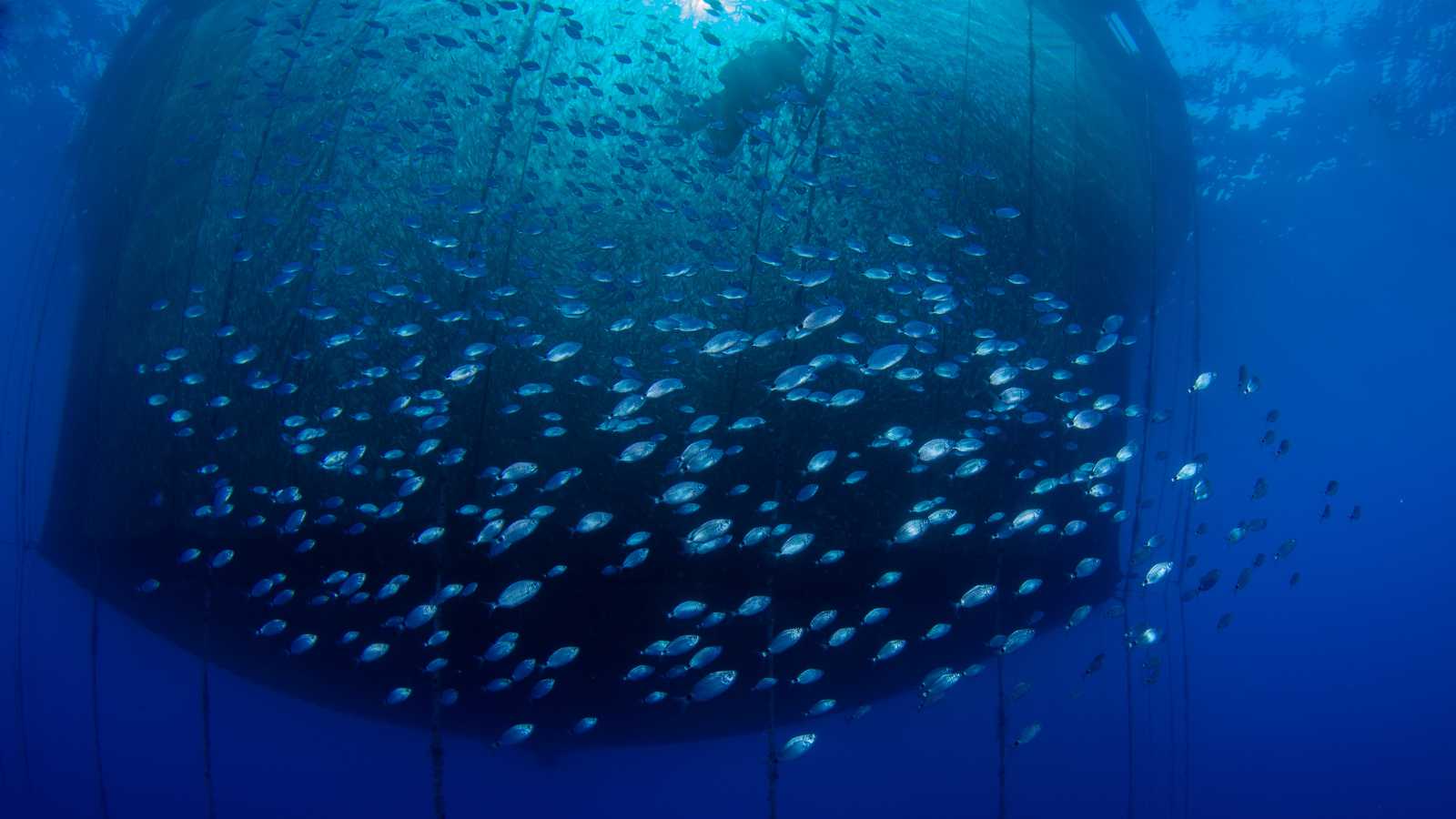
Globally, the sustainable aquaculture and fish farming industries are growing at an unprecedented rate, driven by increasing demand for seafood and the need for environmentally friendly production methods. As these industries expand, the role of crowdfunding in raising capital has become increasingly significant. In this article, we dive into the intricate world of regulations that govern crowdfunding investments in sustainable aquaculture and fish farming, shedding light on key guidelines and how platforms like Growth Cents play a pivotal role in navigating these regulatory landscapes.
Are there regulations governing crowdfunding investments in sustainable aquaculture and fish farming
Yes, there are regulations governing crowdfunding investments in sustainable aquaculture and fish farming. In the United States, the Securities and Exchange Commission (SEC) regulates crowdfunding under the JOBS Act of 2012. This act allows small businesses, including aquaculture ventures, to raise capital from a larger pool of investors through crowdfunding platforms, provided they comply with specific requirements. For instance, businesses must disclose financial information and the risks involved to protect investors.
Globally, regulations can vary significantly by country. For example, in Europe, the European Securities and Markets Authority (ESMA) sets guidelines that impact how crowdfunding can be utilized in agriculture, including aquaculture. Countries like Canada have also established regulatory frameworks to facilitate equity crowdfunding while ensuring investor protection. These regulations often focus on transparency, requiring detailed business plans and financial forecasts to be shared with potential investors, which can help build trust and encourage participation in sustainable aquaculture initiatives.
5 Key Regulations and Guidelines You Need to Know
1. SEC Regulations under the JOBS Act
The SEC regulates crowdfunding investments in the U.S. through the JOBS Act, which allows startups and small businesses to raise capital from a broader range of investors. Under this act, companies can raise up to $1.07 million within a 12-month period from both accredited and non-accredited investors. It requires businesses to provide potential investors with detailed financial disclosures, including the use of funds, a description of the business plan, and an analysis of risks. This transparency helps guide investors in making informed decisions.
One aspect often overlooked is the importance of maintaining ongoing communication with investors after the funding round. Companies should consider providing regular updates on project progress, financial performance, and any challenges faced. This not only builds trust but also encourages future investments, especially in sectors like aquaculture that may require additional funding for growth and sustainability initiatives.
2. State-Specific Regulations
While federal regulations provide a framework, many states have their own laws regarding crowdfunding, which can vary widely. Some states may require additional disclosures or impose limits on how much individuals can invest based on their income or net worth. It’s crucial for businesses engaging in crowdfunding to be aware of these state-specific regulations to guarantee compliance.
states may offer unique opportunities for aquaculture ventures, such as grants or tax incentives aimed at promoting sustainable practices. Researching local regulations can reveal lesser-known funding sources or support systems that can significantly benefit aquaculture projects while aligning with environmental goals.
3. Environmental Impact Assessments
In many jurisdictions, aquaculture projects must undergo environmental impact assessments (EIAs) before receiving approval. These assessments evaluate the potential effects of the farming operation on local ecosystems, including water quality, biodiversity, and habitat disruption. This regulatory requirement aims to make sure aquaculture practices are sustainable and do not adversely affect surrounding environments.
An important benefit of doing an EIA that is often overlooked is that it can boost your credibility with investors and other important people. Aquaculture companies can get more environmentally conscious investors, including those looking for long-term investment strategies, if they show they care about the environment.
4. Federal Grant and Financial Assistance Programs
Various federal programs provide grants and financial assistance specifically for aquaculture projects in the U.S. These programs are designed to promote sustainable practices, research, and technological development in fish farming. Businesses can access funding opportunities through agencies like the USDA or NOAA Fisheries, which often have specific guidelines for applying.
Many entrepreneurs miss out on these valuable resources due to lack of awareness or understanding of the application processes. It’s essential to thoroughly research available grants and create a well-documented proposal that outlines the project’s sustainability goals and potential economic impact. Engaging with local extension services or aquaculture associations can also provide insights into successful grant applications.
5. Crowdfunding Platform Compliance Guidelines
Different crowdfunding platforms have their own compliance guidelines that businesses must adhere to when launching a campaign. These guidelines can include restrictions on the types of projects eligible for funding, minimum investment amounts, and promotional practices. Understanding these platform-specific rules is essential for a successful crowdfunding campaign in sustainable aquaculture.
leveraging the unique features of each platform can enhance visibility and engagement with potential investors. For example, some platforms allow project creators to share updates through blogs or videos, which can help cultivate a community around the project. Creating engaging content that highlights the sustainable aspects of the fish farming operation can attract like-minded investors and foster a supportive network.
How Does Regulation Crowdfunding Impact Sustainable Aquaculture Ventures?
Regulation crowdfunding significantly impacts sustainable aquaculture ventures by providing access to capital from a diverse pool of investors. With the ability to raise funds from both accredited and non-accredited investors, small aquaculture businesses can obtain the necessary financial resources to scale operations, adopt innovative technologies, and implement sustainable practices. According to a report from the World Bank, the global aquaculture market is projected to grow by 4.5% annually, with increased investment in sustainable practices being essential for meeting rising seafood demand without compromising environmental health.
the transparency requirements set by the SEC under the JOBS Act foster trust and accountability between businesses and investors. This transparency encourages sustainable aquaculture ventures to develop comprehensive business plans that highlight their commitment to eco-friendly practices, risk management strategies, and long-term viability. As investors become more aware of environmental and social governance (ESG) factors, they are increasingly inclined to support projects that align with their values, potentially leading to higher financial returns for those committed to sustainability in aquaculture. A study from Morgan Stanley indicates that 75% of individual investors are interested in sustainable investing, showcasing an opportunity for aquaculture ventures to attract responsible capital.
What Role Do NOAA Regulations Play in Sustainable Fisheries?
NOAA regulations play a big role in promoting sustainable fisheries by establishing guidelines and policies that ensure the long-term health of fish populations and marine ecosystems. The National Oceanic and Atmospheric Administration (NOAA) Fisheries is responsible for implementing the Magnuson-Stevens Fishery Conservation and Management Act, which aims to prevent overfishing and rebuild overfished stocks. According to NOAA, sustainable fisheries management has led to the recovery of several fish populations; for instance, the Atlantic sea scallop population has increased from 20 million pounds in the 1990s to over 66 million pounds in recent years due to effective management practices.
NOAA regulations encompass habitat protection measures, which are essential for maintaining the ecological balance necessary for sustainable fisheries. These regulations often involve designating critical habitats, implementing seasonal closures, and establishing marine protected areas (MPAs) to safeguard vulnerable species during key life stages. For example, the designation of MPAs in the Gulf of Mexico has been shown to enhance biodiversity and increase fish biomass, supporting both commercial and recreational fishing sectors while ensuring that aquatic ecosystems remain resilient in the face of environmental changes. Such regulatory frameworks not only benefit the fisheries themselves but also contribute to the economic stability of coastal communities reliant on fishing activities.
Exploring Growth Cents: Navigating Crowdfunding in Aquaculture Real Estate
Growth Cents serves as a valuable resource for navigating crowdfunding opportunities in aquaculture real estate by connecting investors with sustainable projects that align with their financial and ethical goals. The platform offers a comprehensive directory of aquaculture-related real estate listings, including properties suitable for fish farming and other sustainable practices.
Growth Cents enhances investor engagement through educational resources and community support, helping users understand the intricacies of crowdfunding in this niche market. As aquaculture continues to gain traction, with the global market projected to reach $200 billion by 2030, according to the Food and Agriculture Organization (FAO), platforms like Growth Cents play a big role in facilitating access to capital for innovative aquaculture projects.
How Can Aquaculture Ventures Leverage Growth Cents for Funding Opportunities?
Aquaculture businesses can use Growth Cents to find a lot of different ways to get money by putting their projects on a platform just for investors who are interested in real estate and environmentally friendly practices. Entrepreneurs can get more attention from investors who want to support green and sustainable businesses by listing their properties and aquaculture projects on Growth Cents. This targeted approach works especially well because people are becoming more interested in sustainable investing. For example, 83% of millennials are interested in sustainable investment options, which shows that aquaculture businesses have a big market to reach.
Growth Cents gives aquaculture businesses useful information about the market, investment trends, and educational content that helps them improve how they get money. These companies can make their pitches and presentations stand out by showing that they care about the environment and making money by knowing what the market wants right now and what investors want. The community-focused features of the platform let aquaculture business owners connect with mentors, advisors, and other professionals in the field. This makes it easier for them to work together, which can lead to new ways to get money and better project viability. This environment of working together makes it easier for businesses to get the money they need to adopt environmentally friendly practices and grow in a smart way.
The Importance of Compliance with World Bank Guidelines for Crowdfunding Success
Compliance with World Bank guidelines is essential for crowdfunding success, particularly in sectors like aquaculture that aim to promote sustainable development. The World Bank emphasizes the importance of transparency, accountability, and stakeholder engagement in crowdfunding initiatives, which can significantly enhance investor confidence. According to a 2020 World Bank report, projects adhering to best practices in governance and investor communication see a 30% higher success rate in fundraising efforts compared to those that do not prioritize these aspects.
Following World Bank guidelines can help aquaculture ventures align their projects with global sustainability goals, such as the United Nations Sustainable Development Goals (SDGs). For example, by integrating environmental impact assessments and community engagement processes into their crowdfunding strategies, businesses can demonstrate their commitment to responsible practices. This not only attracts impact investors but also helps mitigate risks associated with project failures and non-compliance. Ultimately, compliance with these guidelines fosters a robust framework for sustainable aquaculture ventures, enhancing their potential for long-term success and contribution to global food security.