
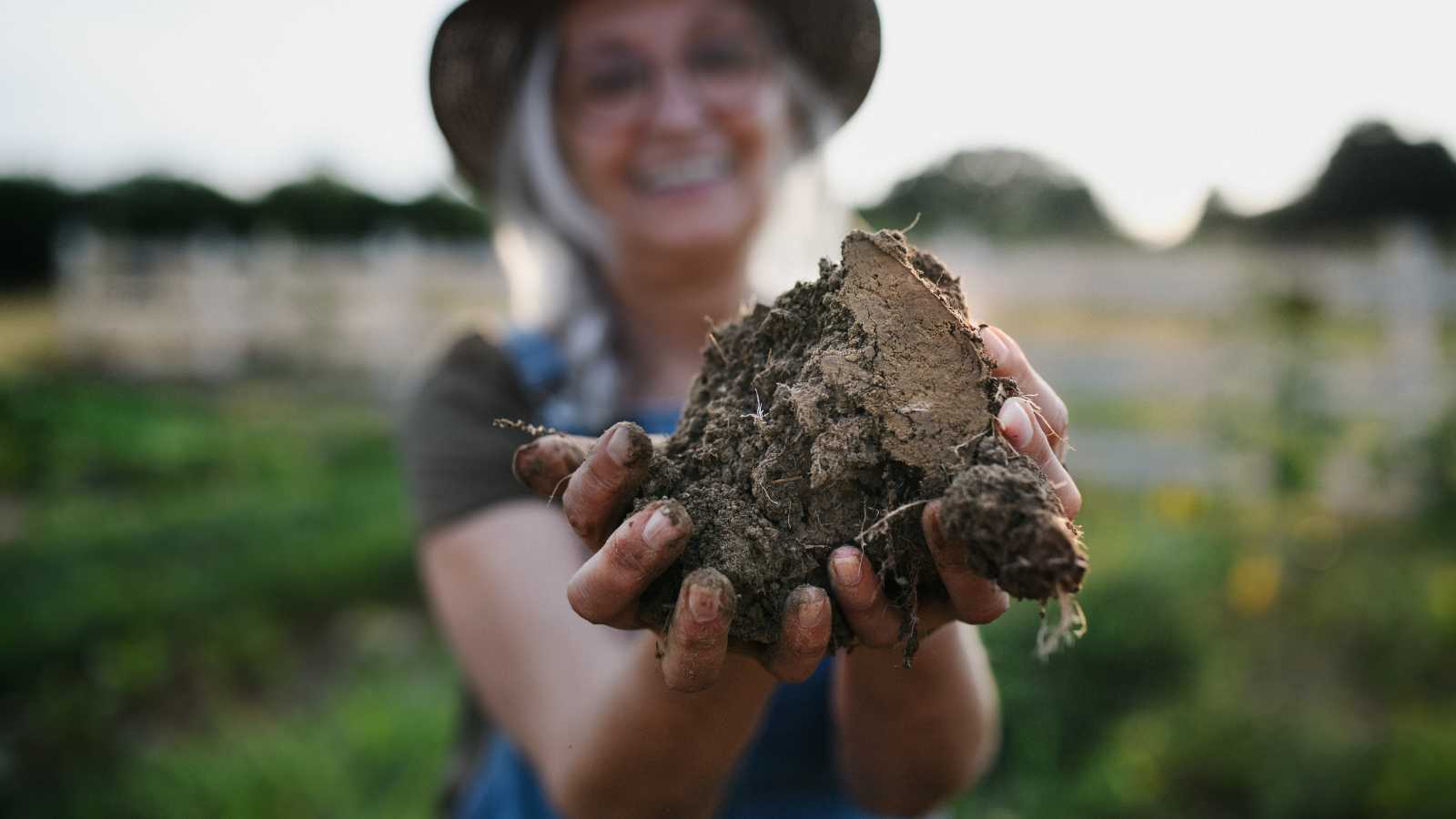
Understanding the intricate disclosure requirements for crowdfunding campaigns in regenerative agriculture is essential for both investors and campaign initiators. These campaigns, pivotal in advancing sustainable agriculture practices, must adhere to stringent guidelines to assure transparency and compliance. In this article, we dive into the essential aspects of these requirements, helping you to make informed decisions about your investments.
What are the specific disclosure requirements for crowdfunding campaigns related to regenerative agriculture?
Crowdfunding campaigns focused on regenerative agriculture must provide detailed project information to ensure transparency and trust among potential investors. This includes a clear outline of the project’s objectives, methods, and anticipated results. For instance, a campaign may highlight specific regenerative practices such as cover cropping or agroforestry, which are known to improve soil quality and increase biodiversity. According to a study by the Rodale Institute, regenerative agriculture can lead to a 50% increase in crop yields over time, showcasing the potential benefits of such projects.
In addition to project details, financial transparency is critical. Campaigns are required to present clear financial statements, encompassing the budget, funding goals, and a breakdown of how the funds will be allocated. This enables investors to assess the project’s financial health and sustainability. A report from the World Bank indicates that projects with transparent financial practices are 35% more likely to succeed, emphasizing the importance of this disclosure requirement in building investor confidence. campaigns should disclose any relevant certifications or adherence to industry standards, which helps assure investors of the project’s legitimacy and commitment to ethical practices.
5 Key Areas to Understand Before Investing in Regenerative Agriculture Crowdfunding
1. Project Details
Before investing in a crowdfunding campaign for regenerative agriculture, it’s essential to understand the specific details of the project. This includes not only the goals and methods being employed but also the timeline for implementation and expected outcomes. Many campaigns may overlook the importance of illustrating how their practices differ from conventional methods. For example, detailed descriptions of soil health improvements through practices like crop rotation or no-till farming can demonstrate the project’s innovative approach. Investors should look for campaigns that provide thorough documentation, including case studies or pilot projects that showcase previous successes.
2. Environmental Impact
The environmental impact of a regenerative agriculture project is a key consideration for potential investors. Look for campaigns that clearly articulate how their practices will contribute to sustainability, such as reducing carbon emissions or enhancing local biodiversity. It’s beneficial to seek out metrics or third-party assessments that quantify these impacts, as they can provide additional credibility. consider the long-term ecological benefits, such as improved water retention and reduced soil erosion, which often go unmentioned but are crucial for understanding the project’s overall contribution to ecological health.
3. Financial Transparency
Financial transparency is vital in assessing the viability of a crowdfunding campaign. Potential investors should examine the detailed financial statements provided, including budgets and funding allocations. Look for campaigns that not only outline expected costs but also provide insights into revenue generation strategies post-investment. It’s helpful to ask about contingency plans for financial setbacks, as many campaigns may not disclose risks associated with market fluctuations or changes in consumer demand for regenerative products. Understanding these factors can help investors make more informed decisions.
4. Certifications and Standards
Investors should pay attention to any certifications or standards that a regenerative agriculture project adheres to, as these add credibility and trustworthiness. For example, organic certification or adherence to specific regenerative agriculture guidelines can signal a commitment to ethical practices. Many investors overlook the nuances of these certifications, such as the differences between USDA Organic and Regenerative Organic Certification. Understanding these distinctions can help you gauge the project’s alignment with your values and investment goals. inquire about the process for maintaining these certifications throughout the project’s duration.
5. Risk Assessment and Stakeholder Engagement
A comprehensive risk assessment is essential to understanding the potential challenges a project may face. Campaigns should transparently disclose environmental, financial, and operational risks associated with their initiatives. it’s equally important to understand how a project engages with local communities and stakeholders. Look for campaigns that include plans for collaboration and education efforts, as these can significantly enhance project sustainability and community support. Often overlooked, stakeholder engagement plays a major role in ensuring the success of regenerative agriculture projects by fostering local buy-in and shared responsibility for outcomes.
How does Growth Cents assist in understanding these disclosure requirements?
Growth Cents is a great tool for people who want to learn more about the complicated disclosure rules that apply to regenerative agriculture crowdfunding campaigns. The platform has an extensive directory that connects users with professionals in many areas, such as financial advisors, lawyers, and agricultural experts. Growth Cents gives investors the tools they need to make smart choices by giving them access to professionals who know about best practices and follow the rules. The National Agricultural Statistics Service did a survey and found that 70% of investors wanted more educational materials before committing money. This shows how important platforms like Growth Cents are.
In addition to connecting users with experts, Growth Cents provides educational content focused on the intricacies of crowdfunding in real estate and regenerative agriculture. This includes articles, webinars, and guides that break down complex disclosure requirements into understandable segments. For example, the site might feature case studies of successful crowdfunding campaigns that adhered to stringent disclosure standards, demonstrating practical applications of these requirements. A report from the Global Crowdfunding Network indicates that campaigns with educational support see a 40% higher success rate, underscoring the importance of informed investing in fostering project viability.
What are the risks associated with investing in regenerative agriculture crowdfunding campaigns?
- Market Volatility: Investing in regenerative agriculture crowdfunding campaigns can expose investors to market fluctuations that impact the demand for sustainably produced products. For example, if consumer preferences shift or economic conditions change, the anticipated sales and revenue of the project may decline, affecting its financial viability. This volatility can lead to potential losses if the project fails to meet its funding goals or generate expected returns.
- Regulatory Changes: The agricultural sector is subject to various regulations that can change over time, potentially affecting the operations of crowdfunding projects. New environmental policies or changes in agricultural subsidies could impose additional costs or operational restrictions on projects. For instance, stricter regulations on pesticide use or land use could necessitate adjustments in project methods, leading to unforeseen expenses and complexities.
- Environmental Risks: Regenerative agriculture projects often rely on specific environmental conditions to succeed, such as adequate rainfall or suitable soil types. Extreme weather events, such as droughts, floods, or pest infestations, can threaten the success of these initiatives. For example, a crowdfunding campaign focused on a specific crop may fail if an unexpected drought occurs, leading to significant financial losses for investors.
- Operational Challenges: The implementation of regenerative practices can be complex and may encounter various operational challenges that affect project success. Factors such as inadequate training for staff, supply chain disruptions, or equipment failures can hinder progress. For instance, a project that relies on cover cropping may struggle if farmers are not adequately trained on how to implement these practices effectively.
- Limited Historical Data: Many regenerative agriculture crowdfunding campaigns are relatively new, meaning there may be limited historical performance data to assess their potential success. This lack of established benchmarks makes it difficult for investors to gauge the reliability of projected returns or the effectiveness of the proposed methods. As a result, investors may find themselves making decisions based on speculative information rather than solid evidence.
- Stakeholder Resistance: Engaging local communities and stakeholders is critical for the success of regenerative agriculture projects. However, resistance from local farmers or community members who are skeptical about new practices can pose significant risks. For example, a crowdfunding campaign aiming to introduce innovative farming techniques may face backlash from traditional farmers who fear changes to established practices and market dynamics.
- Financial Mismanagement: Crowdfunding campaigns are often run by individuals or small teams who may lack extensive financial management experience. This can lead to poor budgeting, misallocation of funds, or inadequate financial reporting. An investor might find that their contributions are not being used effectively if a project does not maintain transparent financial practices, resulting in diminished trust and a potential loss of investment.
- Lack of Impact Measurement: Many regenerative agriculture campaigns may not have robust systems in place for measuring and reporting their environmental and social impacts. Without clear metrics to evaluate success, it can be challenging for investors to determine whether their contributions are yielding the intended benefits. For example, a campaign might claim to enhance biodiversity but fail to provide regular updates or data demonstrating actual improvements in local ecosystems.
Can Growth Cents provide insights into the environmental and social impacts of regenerative agriculture projects?
Growth Cents can deliver valuable insights into the environmental and social impacts of regenerative agriculture projects by leveraging its extensive network of experts and resources. The platform connects users with agronomists, environmental scientists, and social impact consultants, who can provide detailed assessments of specific projects. For instance, these professionals can analyze how a project contributes to soil health improvement or biodiversity enhancement, helping investors understand the tangible benefits of their investments. According to research from the Food and Agriculture Organization (FAO), regenerative practices can increase soil carbon stocks by up to 10% annually, illustrating the significant environmental potential of these initiatives.
Growth Cents has learning materials that teach people the best ways to measure their effects on society and the environment. This includes guides on important metrics like the amount of carbon sequestration, the amount of water used efficiently, and the level of community engagement. Growth Cents helps investors find projects that put transparency and accountability first by spreading information about well-known methods like the Global Reporting Initiative (GRI). A study in the Journal of Sustainable Agriculture found that projects with clear frameworks for measuring impact are 50% more likely to meet their sustainability goals. This shows how important this kind of information is for making smart investment decisions.
By providing access to experts and educational resources, Growth Cents empowers investors to evaluate the effectiveness of regenerative agriculture projects in delivering positive environmental and social outcomes. This holistic approach not only aids in making informed decisions but also fosters a deeper understanding of how investments can align with broader sustainability goals and community well-being.
How do financial disclosure requirements vary with the size of the crowdfunding campaign?
Financial disclosure requirements for crowdfunding campaigns can vary significantly based on the size of the campaign, particularly regarding the amount of funds being raised. Smaller campaigns, often classified under certain regulatory thresholds, may have fewer mandatory disclosure obligations compared to larger ones. For example, in the United States, the Securities and Exchange Commission (SEC) requires campaigns raising less than $1 million to provide basic financial information without the need for audited financial statements. This can make it easier for smaller projects to attract initial funding but it may also result in less transparency for investors.
In contrast, larger crowdfunding campaigns typically face more stringent financial disclosure requirements due to the higher stakes involved. For campaigns seeking to raise over $1 million, the SEC mandates more detailed financial reporting, including unaudited financial statements, a business plan, and information about the use of funds. some platforms may require larger campaigns to undergo a full audit to guarantee compliance with financial regulations. According to a report by the Crowdfunding Professional Association, campaigns that provide thorough financial disclosures tend to raise 30% more funding compared to those that do not, highlighting the importance of transparency in attracting investor confidence.
As the size of the crowdfunding campaign increases, investors often expect more comprehensive disclosures regarding risk factors and potential returns on investment. This is particularly relevant in sectors like regenerative agriculture, where investors are not only concerned about financial returns but also about environmental and social impacts. Larger campaigns that present detailed financial forecasts and clearly outline risk assessments are more likely to build trust with investors and secure funding. For instance, a campaign raising significant capital may provide projections based on comprehensive market analysis and historical performance data, thus meeting the heightened expectations of potential backers.
Is it possible to merge real estate investments from Growth Cents with crowdfunding initiatives?
Yes, it is entirely possible to merge real estate investments from Growth Cents with crowdfunding initiatives, creating a synergistic approach that benefits both investors and project developers. Growth Cents serves as a directory for various real estate investment opportunities, including distressed properties, commercial real estate, and rental properties, all of which can be integrated into crowdfunding models. For example, a crowdfunding campaign could focus on acquiring or rehabilitating distressed properties listed on Growth Cents, allowing multiple investors to pool resources for projects that may otherwise be financially unattainable for individuals. This approach not only diversifies investment portfolios but also helps address housing shortages and urban renewal efforts simultaneously.
Integrating crowdfunding with real estate investments can enhance the accessibility of investment opportunities for a broader audience. Traditionally, real estate investments often required substantial capital upfront, limiting participation to affluent individuals or institutional investors. Crowdfunding democratizes this process by allowing smaller investors to contribute to larger projects, thus lowering the barrier to entry. According to a report by the Cambridge Centre for Alternative Finance, real estate crowdfunding platforms raised over $1 billion in 2020 alone, demonstrating a growing trend where everyday investors can participate in lucrative real estate markets alongside seasoned professionals.
Merging these two investment strategies can promote transparency and community engagement. Crowdfunding campaigns that source real estate projects through Growth Cents can offer detailed financial disclosures, impact assessments, and updates on project progress to their investors. This level of engagement not only fosters trust but also allows investors to feel more connected to the projects they support. For instance, a campaign focused on sustainable housing developments could provide regular reports on construction milestones and environmental impacts, aligning financial returns with social responsibility goals. This integration of real estate and crowdfunding creates a win-win situation for investors seeking both financial gains and positive community outcomes.