
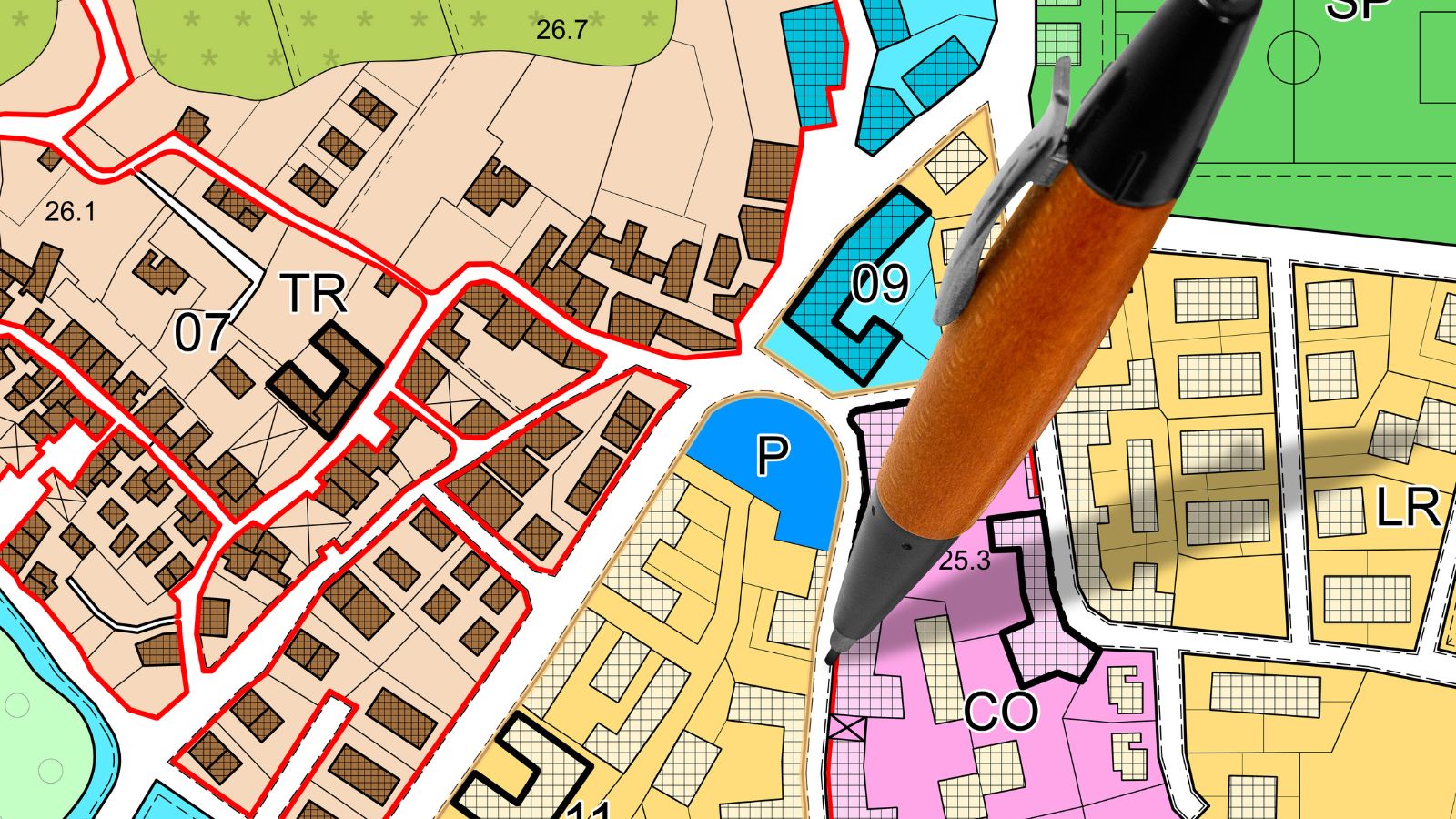
Navigating the complexities of FEMA flood maps is essential for real estate buyers to avoid costly mistakes. In this article, we’ll explore the most common pitfalls that can arise when dealing with flood zones, insurance, and property values. Knowing these critical factors enables you to make informed decisions and safeguard your investments in the real estate market.
What are the most common mistakes buyers make with FEMA flood maps?
Understanding FEMA flood maps is essential for real estate buyers, as many common mistakes can lead to significant financial consequences. One major error is ignoring flood zone designations when purchasing a property. For instance, properties located in high-risk areas, known as Zones A and V, often require mandatory flood insurance. This can dramatically increase costs, with average insurance premiums around $700 annually but potentially exceeding $2,000 in these high-risk zones. In my experience, I’ve seen buyers shocked by these expenses after they’ve already invested in a property, resulting in budget constraints and disappointment.
Another frequent mistake is assuming that FEMA flood maps are always up-to-date. These maps are revised periodically, and properties that were once deemed safe may now be in flood zones due to environmental changes or new developments. For example, I’ve made it a point to always check for the latest updates before finalizing a purchase. Overlooking the importance of elevation can be costly; homes elevated above the base flood level may qualify for lower insurance rates, while those at or below face higher premiums.
7 Costly Mistakes to Avoid with FEMA Flood Maps in Real Estate
1. Ignoring Flood Zones
Many buyers overlook the importance of flood zone designations when purchasing a property, often focusing solely on aesthetics or price. This can lead to serious financial repercussions, especially if a property falls within high-risk areas like Zones A and V, where flood insurance is mandatory. You need to consult FEMA flood maps early in the buying process. Doing so helps you understand potential risks and prepares you for the financial responsibilities that come with owning property in these zones.
2. Underestimating Flood Insurance Costs
Some homeowners mistakenly assume that flood insurance is optional or that it will be a manageable expense. In my experience, the average flood insurance premium in the U.S. hovers around $700 annually, but this can skyrocket to over $2,000 for properties in high-risk zones. To avoid surprises, try obtaining quotes from multiple insurance providers before finalizing your purchase. This allows you to budget effectively and make informed decisions about property investments.
3. Assuming FEMA Maps are Up-to-Date
FEMA flood maps are updated periodically, but many buyers rely on outdated information, which can lead to costly mistakes. I realized that checking for the most recent map updates is essential, as properties can change zones due to new developments or environmental factors. Always verify the current designation of a property before making a purchase; this small step can save you significant headaches and expenses down the road.
4. Not Considering Elevation
Elevation plays a critical role in determining flood risk and insurance premiums. Properties situated above the base flood elevation often qualify for lower insurance rates, while those at or below face higher costs. Potential buyers should research the elevation data of a property as part of their due diligence. Understanding these factors can not only influence your insurance rates but also provide insights into potential resale value.
5. Neglecting Local Regulations
While FEMA regulations provide a baseline for flood management, local building codes can be even stricter. Many buyers neglect to review these local regulations, which can result in penalties or additional compliance costs. In my experience, I found it beneficial to familiarize myself with local ordinances before proceeding with a purchase. Connecting with local building officials or real estate professionals can provide valuable insights into these regulations.
6. Failing to Review Letters of Map Change (LOMCs)
A Letter of Map Change (LOMC) can significantly alter a property’s designation on FEMA maps, impacting insurance requirements and overall value. Yet, many buyers overlook this important document. I recommend actively seeking out any LOMCs related to a property, as they may reveal recent changes that could affect your investment’s risk profile.
7. Overlooking Community Resilience Plans
Finally, many buyers fail to consider community resilience plans when evaluating properties in flood-prone areas. These plans outline how a community intends to handle future flooding and can significantly impact property values and safety. I believe that researching whether a community has proactive measures—like improved drainage systems or flood barriers—can provide peace of mind and potentially enhance your investment’s stability over time. Engaging with local residents or attending town hall meetings can give you insights into these initiatives.
Understanding the Importance of Accurate Flood Map Information
Accurate flood map information is essential for homeowners and real estate investors because it helps them know the risks associated with flooding in their areas. FEMA flood maps show different flood zones, indicating how likely it is for a property to experience flooding. For example, properties in high-risk areas, known as Zones A and V, face a 26% chance of flooding over the course of 30 years. This is similar to the chance of having a fire in your home. Knowing whether a property is in a high-risk zone can save homeowners from unexpected costs related to flood insurance, which can be mandatory in these areas and average around $700 per year, but can exceed $2,000 for high-risk locations.
Accurate flood maps can significantly impact property values. Homes in safer areas often have higher resale values compared to those in high-risk flood zones. If a buyer unknowingly purchases a home in a flood-prone area without knowing the risks, they may face not only increased insurance costs but also potential damage from floods that could lead to expensive repairs or loss of property value. Therefore, using accurate flood map information is essential for making informed decisions in real estate, protecting investments, and ensuring community safety.
How to Properly Assess Flood Risks Before Buying Property
Assessing flood risks before buying property is the key to avoiding costly surprises and making sure long-term investment security. According to FEMA, properties located in high-risk flood zones have a 26% chance of flooding over a 30-year period, which is significantly higher than many people realize. This means that if a buyer purchases a home in these areas without understanding the risks, they may face not only mandatory flood insurance costs—averaging $700 annually but potentially exceeding $2,000 in high-risk zones—but also the risk of significant property damage. In my experience, I’ve seen buyers who ignored flood risk assessments regret their decisions when faced with unexpected expenses and loss of property value.
To properly assess flood risks, potential buyers should take several key steps. First, they should review FEMA flood maps to determine the flood zone designation of the property. It’s also important to check for recent updates to these maps, as areas can change due to new developments or environmental factors. Buyers should consider the elevation of the property; homes above the base flood elevation often qualify for lower insurance rates. I recommend speaking with local officials and real estate agents who can provide insights into historical flooding patterns and community resilience plans.
Key Factors to Consider When Evaluating Flood Insurance Options
- Understanding Coverage Types: There are different types of flood insurance coverage available, primarily the building coverage and contents coverage. Building coverage protects the structure of your home, while contents coverage protects personal belongings inside. For example, if you live in a high-risk area and suffer flood damage, building coverage can help pay for repairs to your home, while contents coverage can help replace damaged furniture and appliances.
- Policy Limits and Deductibles: It’s essential to review the policy limits and deductibles associated with your flood insurance. Policy limits refer to the maximum amount the insurer will pay for a covered loss, which can vary significantly based on your location and property type. Higher deductibles can lower your premiums, but you’ll need to be prepared to pay more out-of-pocket in the event of a claim. For instance, if you choose a higher deductible of $2,000, you must cover that amount before the insurance kicks in.
- Rate Factors: Flood insurance rates are influenced by several factors, including the property’s location, flood zone designation, elevation, and age of the building. Properties in higher-risk zones or those at lower elevations typically face higher premiums. For example, a home in Zone A might have a much higher rate than one in Zone X, which is considered low risk.
- Local Flood History: Investigating the flood history of your area can provide valuable insights when evaluating insurance options. Areas with frequent flooding may have higher premiums due to the increased risk. For example, if a neighborhood has experienced several significant floods in the past decade, it may indicate a higher likelihood of future flooding, leading to increased insurance costs. Talking to neighbors or local officials can help uncover this information.
- Community Rating System (CRS): Some communities participate in FEMA’s Community Rating System, which rewards communities for taking proactive measures to reduce flood risks. If your community is enrolled in this program, you could be eligible for discounts on your flood insurance premiums. For example, if your community has improved drainage systems or floodwalls, you might see a reduction of up to 15% on your insurance costs, making it more affordable.
- Claim Process and Customer Service: When choosing an insurance provider, it’s important to research their claims process and customer service reputation. A company with a straightforward claims process and good customer support can make a significant difference during stressful situations following a flood. Reading customer reviews or speaking with current policyholders can provide insights into how responsive and helpful an insurer is when claims are filed.
- Exclusions and Limitations: Be aware of any exclusions or limitations in the flood insurance policy. Certain items may not be covered, such as damage from sewer backups or ground seepage, unless specific endorsements are added. Knowing these exclusions helps make sure you are not caught off guard when filing a claim. For example, if a homeowner assumes their policy covers all water damage but finds out later that it doesn’t cover sewer backups, they could face significant financial losses during a crisis.
Make Informed Real Estate Decisions with GrowthCents.com
Making informed real estate decisions is essential for anyone looking to invest in property, and GrowthCents.com is here to help you navigate that journey. Our platform provides users with access to comprehensive data and analysis tools that simplify the home-buying process. For instance, we aggregate information on property values, neighborhood trends, and local amenities, which allows potential buyers to see how different areas compare. This data-driven approach helps users avoid costly mistakes, such as purchasing properties in declining neighborhoods, which can significantly affect resale value. In fact, homes in neighborhoods with strong growth potential can appreciate by as much as 10% annually, showcasing the importance of choosing the right location.
From my personal experience in real estate, I have seen firsthand how having accurate information can influence investment decisions. When I was searching for my first property, I relied heavily on data to evaluate potential neighborhoods. I found that GrowthCents.com not only provided me with up-to-date data but also highlighted emerging areas that I might have overlooked otherwise. Utilizing our platform enables you to make informed choices that align with your financial objectives and lifestyle preferences. If you’re a first-time homebuyer or a seasoned investor, GrowthCents.com equips you with the tools and insights necessary to make informed decisions that lead to successful real estate investments.
Leave a Reply
You must be logged in to post a comment.