
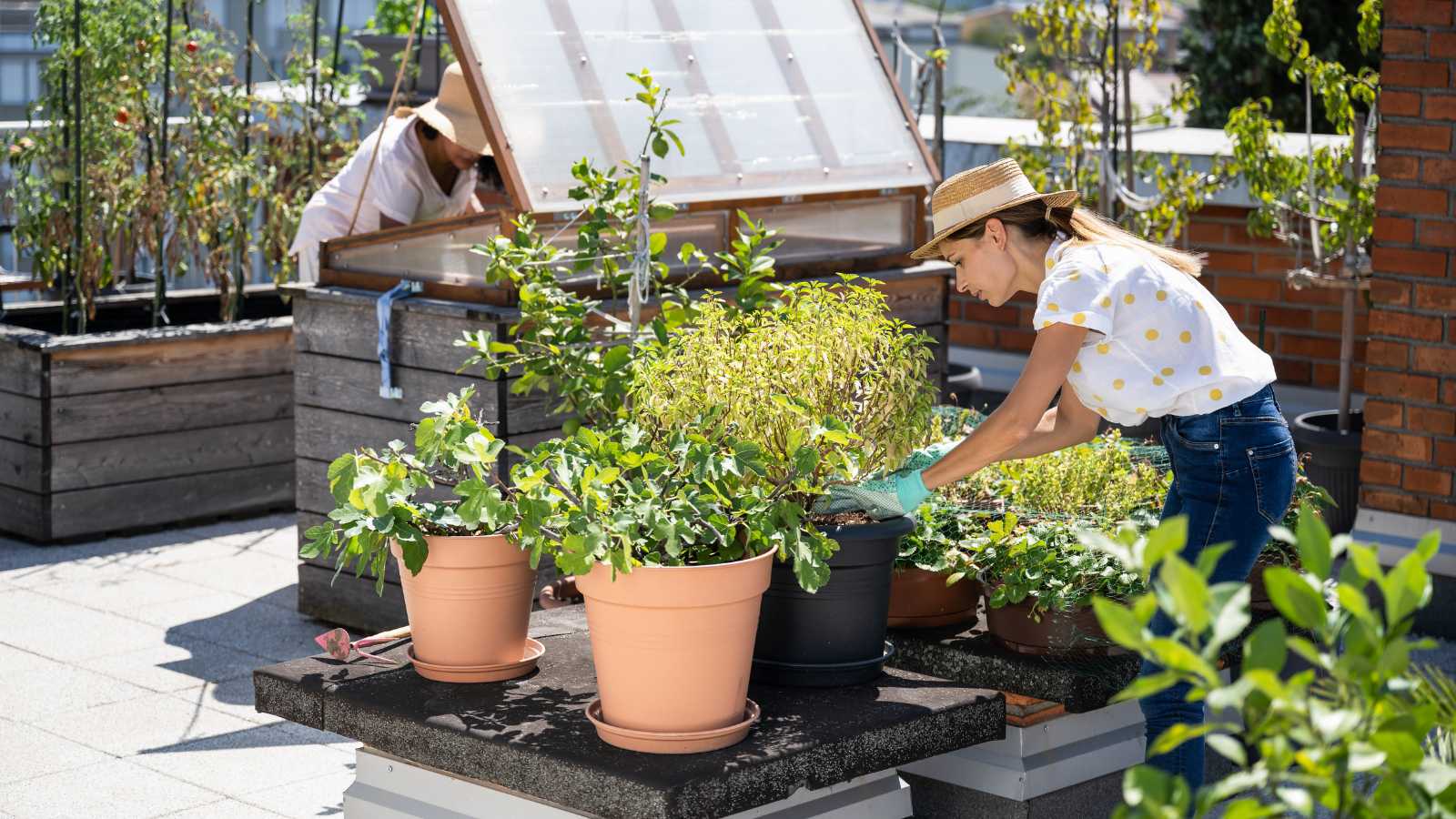
Urban farming and rooftop gardens represent a growing sector in the urban landscape, offering benefits from promoting sustainability to enhancing food security. As interest in investing in these initiatives increases, understanding the regulatory landscape becomes crucial. In this article, we explore the various regulations that influence crowdfunding investments in this agricultural shift, so investors can navigate the process with informed confidence.
Are there regulations governing crowdfunding investments in urban farming and rooftop gardens?
Yes, there are regulations governing crowdfunding investments in urban farming and rooftop gardens. One of the primary frameworks is Regulation Crowdfunding (Reg CF), established under the Securities Act, which allows small businesses and startups to solicit investments from the general public through online platforms. This regulation permits companies to raise up to $5 million in a 12-month period, making it a viable option for urban farming initiatives looking to secure funding for projects that enhance local food production and community engagement.
In addition to federal regulations, local and state guidelines can significantly influence crowdfunding efforts for urban agriculture. For instance, zoning laws may dictate what types of farming activities can occur in urban areas, impacting how projects can be funded and operated. community support plays a major role in crowdfunding success; statistics show that only about 23.6% of all crowdfunding campaigns reach their goals, highlighting the importance of strategic planning and community involvement in these initiatives.
5 Key Regulations to Consider for Your Urban Farming Investment
1. Regulation Crowdfunding (Reg CF)
Regulation Crowdfunding (Reg CF) enables small businesses, including urban farms and rooftop gardens, to raise funds through online platforms without undergoing the extensive registration process typically required for public offerings. This regulation allows companies to raise up to $5 million within a 12-month period from a broad audience, not just accredited investors. It’s essential for entrepreneurs to prepare a detailed business plan and marketing strategy to engage potential investors effectively, as the success of these campaigns often hinges on how well they can communicate their vision and impact.
2. State-Specific Securities Regulations
In addition to federal regulations, each state has its own securities laws that can affect crowdfunding efforts. Some states may impose additional requirements or restrictions on how funds can be raised or how investments are structured. For instance, certain states might require a notice filing or fees for offerings conducted under Reg CF. Therefore, it is essential for urban farming ventures to consult with legal professionals familiar with state regulations to guarantee compliance and avoid potential pitfalls that could jeopardize their fundraising efforts.
3. Zoning and Land Use Regulations
Urban farms and rooftop gardens must comply with local zoning and land use regulations, which can vary significantly by municipality. These regulations dictate what types of activities are permissible in specific areas, including setbacks, height restrictions for structures, and allowable uses of land. Before launching a crowdfunding campaign, it is advisable for investors and project leaders to understand these local rules thoroughly. Engaging with local government officials early in the planning process can help identify any hurdles and potentially streamline approvals, which is critical for maintaining project timelines.
4. USDA Guidelines for Community Gardens
It is very important for urban farming projects that want to include community gardens to know the USDA rules. The USDA’s People’s Garden Initiative promotes gardening that is good for the environment and involves the community. As long as projects follow these rules, urban farming businesses may be able to get more money, grants, or other resources through USDA programs. Projects that support education, conservation, and community benefits can get noticed, which makes them more credible and appealing to investors.
5. Environmental Regulations
Urban farming projects must also consider environmental regulations that govern water usage, waste management, and pesticide application. Local health departments may have specific guidelines to ensure food safety and minimize environmental impact. Implementing sustainable practices not only helps comply with regulations but also attracts eco-conscious investors who prioritize sustainability in their investment choices. Creating a robust environmental management plan that outlines how the project will address these concerns can provide reassurance to both investors and the community, showcasing the initiative’s commitment to responsible farming practices.
How Can Growth Cents Assist Investors in Navigating Urban Farming Regulations?
Growth Cents can play a significant role in assisting investors by providing a centralized platform where they can access vital information about urban farming regulations. The directory features resources that include links to state-specific regulatory bodies and local government websites, helping investors stay informed about the legal landscape relevant to their projects. This is particularly important given that zoning laws and environmental regulations can vary widely from one location to another, and having easy access to this information can save time and reduce potential compliance issues.
There are a lot of rules for urban farming, and Growth Cents connects investors with people who know how to deal with them. Investors can get advice that is tailored to their needs by being given a list of services, such as lawyers, real estate agents, and agricultural experts. Investors can better understand the rules when everyone works together in this way. It also leads to partnerships that can help projects get done well and long-term growth in urban agriculture programs.
Growth Cents provides valuable insights and educational content through articles and resources that address common regulatory challenges faced by urban farming projects. For instance, information on how to apply for grants or navigate the requirements of the USDA’s People’s Garden Initiative can empower investors to make informed decisions.
What Zoning Considerations Should Investors Be Aware Of?
Investors in urban farming should be acutely aware of zoning considerations that can significantly impact their projects. Zoning laws dictate how land can be used within a municipality, including specific regulations for agricultural activities in urban areas. For example, some cities may have designated zones for agriculture, while others might restrict farming activities to certain neighborhoods or impose limitations on the type of structures that can be built, such as greenhouses or storage facilities. It’s essential for investors to review local zoning maps and ordinances to understand the permissible uses for the land they are considering.
Another crucial consideration is the need for special permits or variances. In many cases, urban farms may not fit neatly into existing zoning categories, which could necessitate applying for a special use permit or variance to proceed with operations. The process can involve public hearings and community input, which means that investors must be prepared to present their plans clearly and convincingly to local authorities and residents. According to a study from the American Planning Association, community support can play a critical role in the success of urban agriculture initiatives, as projects that engage with local stakeholders often experience less resistance during the permitting process.
Investors should consider the implications of zoning regulations on their operational practices, such as waste management, noise levels, and traffic. For instance, some municipalities may have restrictions on noise generated by farming equipment or may require specific measures for managing waste produced by livestock or composting activities. Understanding these regulations not only helps avoid fines or legal issues but also promotes good relationships with neighbors, which is vital for the long-term success of urban farming projects.
Exploring USDA Initiatives and How They Support Urban Agriculture
The USDA has launched several initiatives aimed at supporting urban agriculture, recognizing its potential to enhance food security, promote sustainability, and strengthen local economies. One of the most notable programs is the People’s Garden Initiative, which encourages the establishment of community gardens in urban settings. These gardens not only provide fresh produce but also serve as educational platforms for local residents. In fact, the USDA has reported that over 1,500 People’s Gardens have been registered across the nation, fostering community engagement and cooperative gardening efforts.
The USDA offers funding opportunities through programs like the Community Food Projects Competitive Grant Program (CFPCGP), which aims to increase food security in low-income communities by supporting food production initiatives. These grants can help urban farms access resources needed to expand their operations, such as purchasing equipment or implementing sustainable practices. According to USDA data, projects funded by this program have successfully increased access to healthy food for thousands of residents, demonstrating the tangible impact of federal support on urban agriculture.
Through its many educational programs and partnerships, the USDA gives urban farmers useful technical help and resources. This help includes workshops on the best ways to farm in cities, access to research on environmentally friendly farming methods, and help with meeting government rules. Urban farmers can make their operations more efficient and make sure they’re following agricultural standards by using these resources. Urban agriculture is important to the USDA because it helps local food systems grow and is also part of larger efforts to fight food deserts and make communities stronger.
Leveraging Growth Cents to Find Funding Sources Beyond Crowdfunding
Growth Cents provides a valuable resource for investors and entrepreneurs seeking funding sources beyond traditional crowdfunding options. The platform offers a comprehensive directory that includes listings of private investors, venture capital firms, and angel investors who are specifically interested in supporting real estate and agricultural projects.
Growth Cents talks about a number of grants and government programs that are meant to help urban farming projects, in addition to private investments. As an example, local and state governments often have specific ways for projects that support community development and sustainability to get money. The directory makes it easy for users to find information on grant applications, eligibility requirements, and deadlines, which can greatly improve their chances of getting money. The USDA says that over $250 million in grants have been given to support local food production projects in the past few years. This shows how much money can be raised in this way.
Development Cents helps people get in touch with banks that offer loans for investments in real estate and farms. Many banks and credit unions offer loan products that are specifically made for urban farming projects. These loan products may have better terms and lower interest rates for projects that are good for the environment. Investors can use Growth Cents‘s tools to look into different financing options that fit their business goals. This way, they can make sure they have the money they need to start and run successful urban agriculture businesses. This multifaceted approach to funding not only opens up more financial options, but it also makes urban farming projects more likely to succeed.
How to Align Your Crowdfunding Campaign with Local and Federal Regulations
Aligning your crowdfunding campaign with local and federal regulations requires thorough research and strategic planning before launch. Start by familiarizing yourself with the specific regulations governing crowdfunding in your jurisdiction, including compliance with Regulation Crowdfunding (Reg CF) at the federal level. This involves understanding the limits on how much you can raise, the types of investors you can engage, and the necessary disclosures that must be made to potential backers. For instance, Reg CF allows companies to raise up to $5 million annually, but they must provide detailed information about their business plan, financials, and risks involved, ensuring transparency for investors.
In addition to federal regulations, it’s crucial to consider local zoning laws and agricultural regulations that may affect your urban farming project. Each municipality may have different requirements regarding land use, permits, and agricultural practices. Engaging with local government early in your campaign can help identify any specific permits or licenses needed to operate legally. According to the American Farmland Trust, over 30% of urban agriculture projects face zoning challenges, which can delay or even derail funding efforts if not addressed proactively.
Finally, consider seeking legal counsel or consulting with experts who specialize in agricultural regulations and crowdfunding. Their expertise can guide you through the complexities of both local and federal requirements, helping to make sure your campaign is structured correctly from the outset. Establishing strong relationships with regulatory agencies and demonstrating a commitment to compliance can enhance your credibility and attract more investors.