
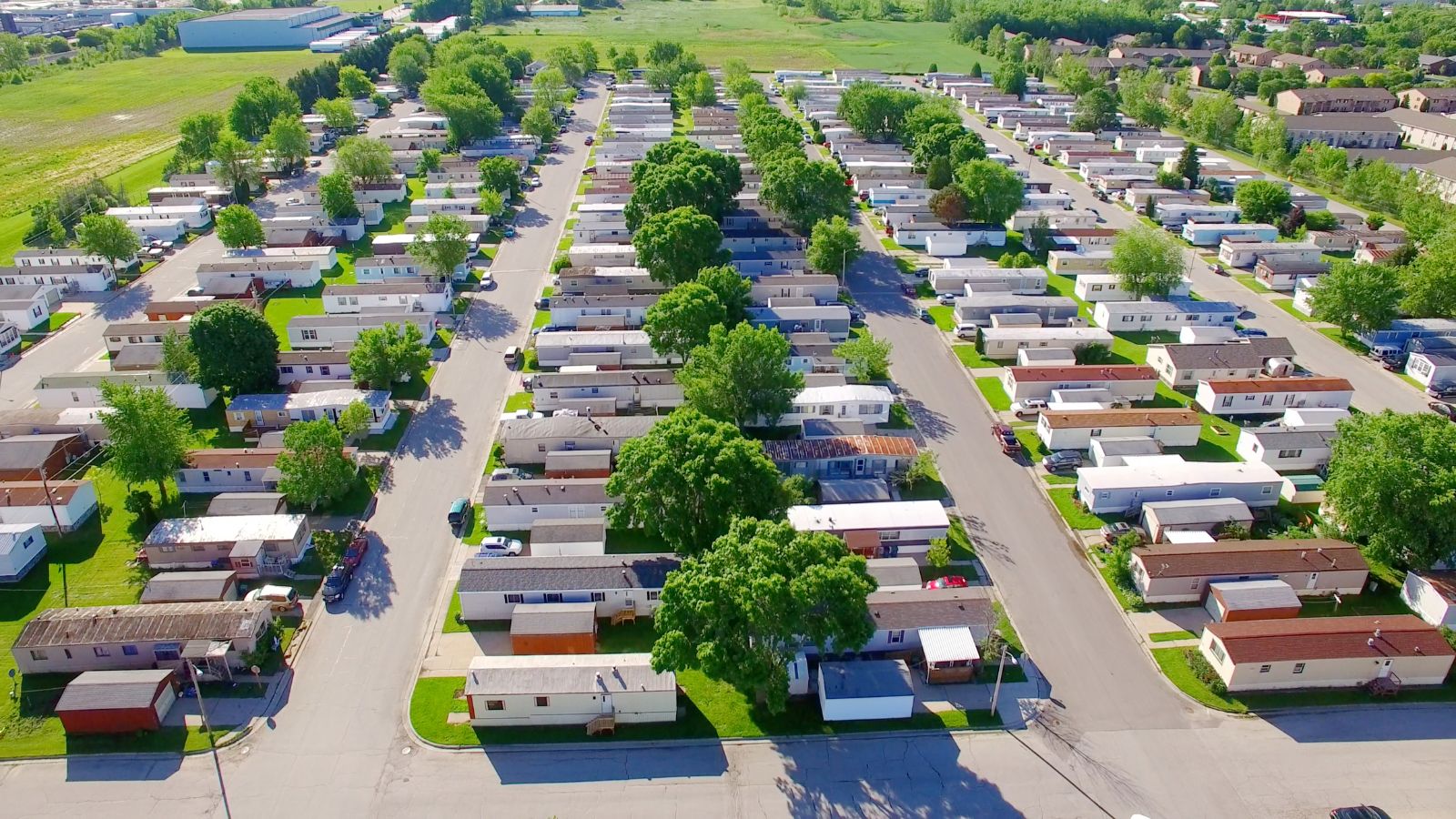
Mobile home park submetering is an evolving practice that has beneficial implications for both owners and tenants. It’s an efficient way to manage utility usage and encourages conservation among residents.
In this article, we dive into nine critical elements of mobile home park submetering for seamless utility management.
Exploring the Basics of Mobile Home Park Submetering
Mobile home park submetering is a practice where individual homes within a park are equipped with utility meters to measure their specific water, gas, or electricity usage. This allows for more accurate billing based on each household’s consumption rather than an averaged amount.
Owners of mobile home parks can encourage resource conservation among their residents and potentially save money and the environment by putting submetering in place. Submetering can help identify any leaks or inefficiencies in the infrastructure, promoting timely repairs and maintenance. Some mobile home parks may choose to outsource the submetering process to specialized companies that handle meter reading, billing, and customer service.
Overall, submetering in mobile home parks offers a fair and transparent way of allocating utility costs while encouraging responsible usage among residents.
9 Crucial Factors of Mobile Home Park Submetering
1. Location of Meters
When implementing submetering in a mobile home park, carefully consider the placement of the meters. Ideally, meters should be easily accessible for residents and maintenance personnel while being protected from potential damage or tampering. Properly locating meters can ensure accurate readings and efficient maintenance of the submetering system.
2. Meter Accuracy
Ensuring the accuracy of meters is essential for fair billing and reliable data collection. Regularly calibrating and maintaining meters can help prevent inaccuracies and discrepancies in utility readings. Mobile home park owners should prioritize investing in high-quality, certified meters to guarantee precise measurements and transparent billing for residents.
3. Data Management
Effective data management is essential for successful submetering in mobile home parks. Implementing a robust system to collect, analyze, and store utility consumption data can streamline billing processes and provide valuable insights into residents’ usage patterns. Utilizing advanced software solutions can simplify data management tasks and improve overall operational efficiency.
4. Resident Education
Educating residents about the benefits of submetering and ways to conserve resources is key to maximizing the effectiveness of the system. Providing informational materials, hosting workshops, or offering incentives for sustainable practices can help promote awareness and encourage responsible usage among mobile home park residents. Engaging residents in conservation efforts can lead to long-term cost savings and environmental sustainability.
5. Billing Transparency
Maintaining transparent billing practices is essential for fostering trust and satisfaction among residents. Clearly communicating how utility charges are calculated, providing detailed breakdowns of consumption data, and addressing any billing inquiries quickly can enhance the overall resident experience. Mobile home park owners should prioritize transparency in billing to ensure fairness and accountability in the submetering process.
6. Leak Detection
Utilizing submetering data for leak detection can help mobile home park owners identify and address water waste issues immediately. Monitoring unusual spikes in consumption, implementing automated alerts for potential leaks, and conducting regular inspections of the infrastructure can prevent costly water damage and promote efficient resource management. Proactive leak detection strategies can contribute to sustainability goals and reduce utility expenses for both park owners and residents.
7. Regulatory Compliance
Staying compliant with relevant regulations and standards is crucial when implementing submetering in mobile home parks. Familiarizing oneself with local laws, obtaining necessary permits, and adhering to industry guidelines can prevent legal complications and ensure the legality of the submetering system. Park owners should prioritize regulatory compliance to operate ethically and protect the rights of residents.
8. Maintenance Planning
Developing a comprehensive maintenance plan for submetering infrastructure is essential for ensuring long-term system reliability and performance. Regularly inspecting meters, conducting preventive maintenance activities, and scheduling timely repairs can extend the lifespan of equipment and minimize downtime. Prioritizing proactive maintenance planning can enhance the efficiency of the submetering system and mitigate potential issues before they escalate.
9. Continuous Improvement
Embracing a culture of continuous improvement is vital for optimizing mobile home park submetering processes over time. Collecting feedback from residents, monitoring system performance metrics, and implementing innovative technologies or practices can drive ongoing enhancements in efficiency and effectiveness. Park owners can effectively meet changing resident needs and improve the quality of submetering services by proactively seeking out opportunities for adaptation and improvement.
Mastering the Installation Process of Submeters in Mobile Home Parks
Mastering the installation process of submeters in mobile home parks requires careful planning and execution to maintain accurate readings and seamless operation. Prior to installation, conducting a thorough site assessment to determine optimal meter locations and assess existing infrastructure is essential.
Coordinating with utility providers, obtaining necessary permits, and scheduling installations at convenient times for residents can streamline the process. Utilizing experienced technicians or subcontractors with expertise in submetering installation can help guarantee precision and efficiency.
Following industry best practices and manufacturer guidelines during the installation process, including proper wiring and sealing techniques, is essential for system reliability. Conducting post-installation testing and calibration to verify the meter’s accuracy and functionality can confirm the success of the installation.
Demystifying the Costs and Savings Associated with Submetering
Demystifying the costs and savings associated with submetering involves considering various factors that can impact the overall financial implications for mobile home park owners and residents. The initial investment in submetering infrastructure, including meters, installation, and software integration, can range from $200 to $500 per unit, depending on the complexity of the system and the size of the park.
While this upfront cost may seem significant, the potential savings from accurate billing and reduced resource consumption can outweigh the initial expenses over time.
For instance, studies have shown that submetering can lead to a 15–30% reduction in utility usage among residents, translating into substantial cost savings on monthly bills. The ability to detect and address leaks quickly through submetering can prevent costly water damage and further contribute to long-term savings.
The Impact of Mobile Home Park Submetering on Utility Management
Mobile home park submetering has a significant impact on utility management by enhancing accuracy, efficiency, and sustainability within the community. Park owners can more precisely track and analyze the utility consumption of their residents by individually metering each home. This will result in more equitable billing practices and greater accountability.
This detailed data enables proactive management of resources, such as identifying trends in usage patterns, detecting leaks, and implementing conservation initiatives. Improved utility management through submetering can result in reduced overall consumption, lower operational costs, and a more sustainable environment for residents.
The transparency and control provided by submetering empower both park owners and residents to make informed decisions regarding their utility usage, ultimately fostering a culture of responsible resource management and conservation within the mobile home park.
Evaluating the Benefits of Submetering for Mobile Home Park Residents
- Fair Billing Practices: Submetering ensures that residents are billed only for the utilities they consume, promoting fairness and transparency in billing within the mobile home park. This practice eliminates the need for flat-rate billing or shared utility costs, allowing residents to have control over their individual usage and expenses.
- Incentive for Conservation: Submetering incentivizes residents to conserve resources by providing them with direct feedback on their utility usage. Residents are incentivized to adopt more sustainable practices, like cutting back on water waste or optimizing energy usage to cut monthly expenses, by observing the effects of their consumption habits on their bills.
- Timely Leak Detection: Submetering facilitates the early detection of leaks or inefficiencies in the utility infrastructure of mobile home parks. Residents can monitor their usage patterns closely and identify any unexpected spikes in consumption that may indicate a leak. Prompt detection and resolution of such issues help prevent water waste, property damage, and excessive utility expenses.
- Personalized Utility Management: Through submetering, residents gain insight into their individual utility usage trends and patterns, enabling them to make informed decisions about their consumption behaviors. This personalized approach to utility management empowers residents to take control of their usage, set conservation goals, and track their progress towards more efficient resource utilization.
- Environmental Awareness: Submetering fosters environmental awareness among mobile home park residents by highlighting the direct impact of their utility consumption on natural resources and the environment. Submetering helps communities create more sustainable living environments by promoting conservation and responsible usage, which is in line with larger environmental conservation objectives.
Legal Aspects and Regulatory Policies for Mobile Home Park Submetering
- Compliance with Local Regulations: Mobile home park submetering must adhere to specific regulations set forth by local authorities to ensure legal and ethical operation. These regulations may include requirements regarding meter accuracy standards, billing transparency, data privacy protection, and consumer rights. Park owners need to stay informed about relevant laws and obtain any necessary permits or approvals before implementing submetering systems.
- Tenant Rights and Protections: Regulatory policies often outline the rights and protections afforded to mobile home park residents in the context of submetering. These may include guidelines on billing dispute resolution, access to consumption data, notification requirements for rate changes, and procedures for meter inspections. Ensuring that tenants are aware of their rights and that submetering practices align with legal protections is essential for maintaining trust and compliance within the community.
- Contractual Agreements: Establishing clear contractual agreements between park owners and residents regarding submetering practices can help prevent misunderstandings and disputes. Contracts should outline the terms of utility billing, meter maintenance responsibilities, data sharing protocols, and dispute resolution mechanisms. Both parties can have a mutual understanding of their rights and obligations regarding submetering services by formalizing these agreements.
- Data Security and Privacy: Mobile home park submetering involves the collection and management of sensitive utility consumption data from residents. Compliance with data security and privacy regulations is the key to protecting this information from unauthorized access or misuse. Implementing robust data protection measures, such as encryption protocols, access controls, and regular security audits, ensures the confidentiality and integrity of resident data within the submetering system.
The Role of Mobile Home Park Submetering in Encouraging Conservation
Mobile home park submetering plays a major role in encouraging conservation among residents by providing them with real-time feedback on their utility usage. Through submetering, residents can monitor their water, gas, and electricity consumption more closely, leading to increased awareness of their environmental impact and resource usage.
Residents are incentivized to adopt more sustainable practices, like conserving water, consuming less energy, and using resources wisely, by seeing the clear link between their actions and utility costs. This heightened awareness and accountability foster a culture of conservation within the mobile home park community, promoting responsible usage habits and contributing to overall environmental sustainability.
Exploring Future Trends in Mobile Home Park Submetering
- Smart Meter Integration: Future trends in mobile home park submetering may involve the integration of smart meters equipped with advanced technology for remote monitoring and data analysis. Smart meters can provide real-time consumption data, enable automated meter readings, and offer insights into residents’ usage patterns. This technology allows for more efficient utility management, improved accuracy in billing, and enhanced conservation efforts within the community.
- Energy Management Solutions: The adoption of energy management solutions, such as demand-response programs and energy monitoring platforms, is expected to become more prevalent in mobile home park submetering. These solutions enable residents to optimize their energy usage based on pricing signals, peak demand periods, and individual preferences. Energy management systems can lower costs, lessen their negative effects on the environment, and improve resource utilization efficiency by providing residents with the means to effectively manage their energy consumption.
- Integration with Sustainability Initiatives: Mobile home park submetering is likely to align more closely with broader sustainability initiatives, such as green building certifications, renewable energy integration, and carbon footprint reduction goals. Park owners can monitor their park’s progress toward environmental goals, encourage conservation among their residents, and create a more environmentally friendly living space by integrating submetering data into sustainability programs. This integration promotes a holistic approach to sustainability within mobile home park communities.
- Data Analytics and Predictive Maintenance: Future trends in submetering may involve leveraging data analytics and predictive maintenance techniques to optimize system performance and reliability. Park owners can prevent problems from getting worse by anticipating maintenance requirements, detecting inefficiencies, and analyzing consumption data trends. This helps them minimize downtime and improve the overall effectiveness of submetering operations. Implementing data-driven decision-making processes can lead to cost savings, improved service quality, and a more sustainable utility management approach in mobile home parks.