
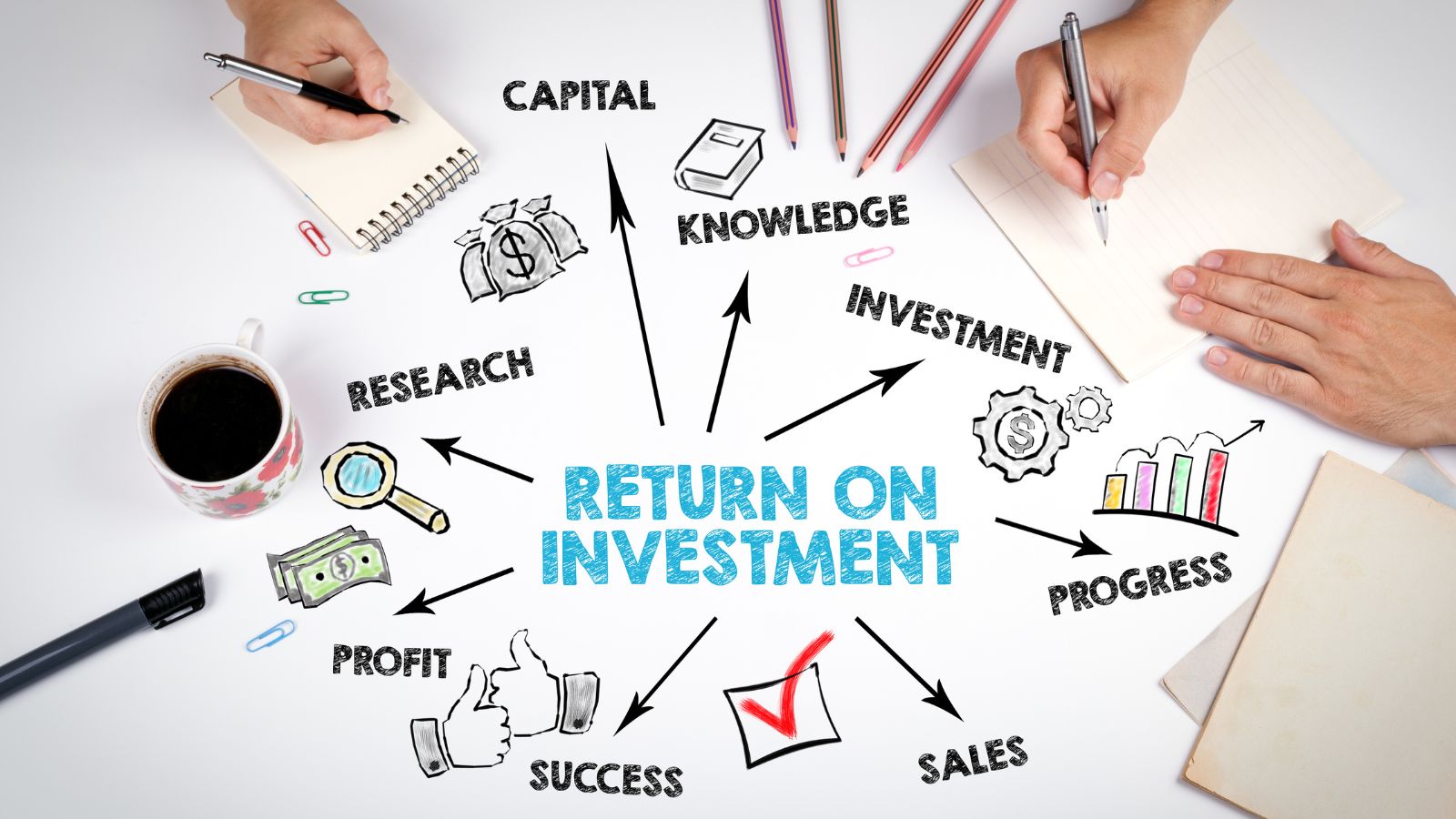
Maximizing returns on real estate investments requires a strategic approach that encompasses accurate property valuation, effective financing, and targeted improvements. Leveraging innovative marketing techniques and utilizing platforms such as GrowthCents.com can significantly enhance an investor’s ability to attract buyers and renters, as well as optimize property portfolios. This article explores ten powerful strategies to boost real estate investment returns, providing valuable insights for both novice and experienced investors.
How Can I Maximize Returns on Real Estate Investments?
To maximize returns on your real estate investments, start by leveraging targeted outreach to transform your property acquisition strategy. Utilizing lists from data aggregators allows you to identify owners who purchased properties below market value. This allows you to approach them with offers tailored to their initial buying strategy, increasing your chances of successful negotiations. This method not only streamlines your acquisition process but also boosts your deal acquisition rate, making it a cornerstone of a savvy investment strategy. In my experience, focusing on these specific owners has led to more profitable investments and smoother negotiation processes.
Another effective strategy is to enhance property value through strategic renovations. Target high-impact areas such as kitchens and bathrooms for upgrades, and consider adding energy-efficient features to increase market appeal and property value. According to Remodeling Magazine’s 2023 Cost vs. Value Report, minor kitchen remodels alone can yield an average return on investment of 77.6%.
10 Ways to Boost Your Real Estate Investment Returns
1. Conduct Thorough Market Research
Knowing market trends, local economic factors, and property values is essential for maximizing returns. Start by analyzing the neighborhood’s historical price trends and rental yields. Tools like Zillow and Redfin can provide valuable data on recent sales and rental prices. Also, consider attending local real estate meetups or joining online forums to gather insights from other investors. These sources can offer unique perspectives that are often overlooked.
2. Leverage Financing Wisely
Using leverage effectively allows you to control a larger asset base with less initial capital, potentially increasing your ROI. However, it’s important to maintain a healthy loan-to-value ratio to avoid over-leveraging. Start working closely with a financial advisor to know the best financing options for your situation. In my experience, securing a mortgage with favorable terms can significantly enhance cash flow and overall investment returns. Always factor in interest rates and potential future rate hikes when planning your financing strategy.
3. Enhance Property Value with Smart Upgrades
Strategic renovations can lead to increased property values and rental income. Focus on improvements that offer the highest return, such as updating kitchens and bathrooms, improving curb appeal, or adding energy-efficient appliances. Consider incorporating smart home technology, which is becoming increasingly popular among renters and buyers. This not only adds value but also differentiates your property in a competitive market. Assess the cost versus potential value increase before undertaking any project to maintain a positive impact on your investment.
4. Diversify Your Portfolio
Diversification helps mitigate the impact of market fluctuations on your overall portfolio. In my experience, balancing different asset classes has provided a cushion against economic downturns while allowing me to capitalize on growth in various sectors. You need to continually assess and adjust your portfolio to align with your risk tolerance and investment goals. Investing in a mix of property types—such as residential, commercial, and REITs—can reduce risk and create more stable income streams.
5. Implement Targeted Outreach Strategies
Targeted outreach can revolutionize how you acquire rental properties by identifying owners who previously bought at below-market prices. Use data aggregator lists to find these owners and tailor your offers to their initial buying strategies. This approach not only streamlines your investment process but also enhances your deal acquisition success rate. Tailoring your communication and negotiation techniques to these specific owners can lead to more successful negotiations and profitable investments.
6. Utilize Real Estate Technology
Embrace technology to streamline operations and improve decision-making. Platforms like PropertyRadar can help with market analysis and lead generation, while property management software can automate tenant communications and maintenance requests. In my experience, adopting technology tools has drastically reduced administrative burdens and increased efficiency in managing properties. Staying updated with tech advancements keeps you ahead of the curve and provides a competitive advantage in the market.
7. Take Advantage of Tax Deductions
Maximize your after-tax income by utilizing available tax deductions such as mortgage interest, property taxes, and depreciation. Keep detailed records of all expenses related to your properties to ensure you’re claiming every eligible deduction. Try consulting with a tax professional who specializes in real estate investments to navigate complex tax laws effectively. Proper tax planning can significantly enhance your net returns.
8. Choose Strategic Locations
Location is a key determinant of property value and potential return on investment. Look for areas with strong economic growth, good schools, and accessible public transportation. Properties near developing infrastructure or new business hubs often appreciate faster than those in stagnant areas. In my experience, investing in up-and-coming neighborhoods has led to substantial capital gains as these areas mature and demand increases.
9. Explore Short-Term Rental Opportunities
Platforms like Airbnb offer lucrative short-term rental opportunities that can yield higher returns than traditional long-term leases. Consider properties in tourist-heavy areas or business districts where demand for short-term accommodations is high. However, be aware of local regulations regarding short-term rentals, as some cities have restrictions or require permits. Proper management and attention to guest experience can make short-term renting a profitable venture.
10. Integrate Sustainable Practices
Incorporating sustainable features into your properties not only reduces operational costs but also increases their appeal to environmentally conscious tenants or buyers. Consider installing solar panels, water-saving fixtures, or eco-friendly landscaping options. According to BloombergNEF, properties with sustainable upgrades have seen up to a 10% increase in value. Green certifications can further boost property attractiveness and justify higher rents or sale prices.
Importance of Accurate Property Valuation and Market Research
Accurate property valuation is crucial because it helps you know how much a property is really worth, which prevents overpaying or selling for too little. When you know the true market value, you can make smarter buying and selling decisions. For example, if a property is valued at $300,000 but the market price is $350,000, knowing this gap can lead to a profitable purchase. Experts use methods like the Comparative Market Analysis (CMA) to compare similar properties that have recently sold in the area. This helps ensure the price is on par with the market trends. Accurate valuations also help when negotiating with sellers or buyers, giving you a strong position to argue for better terms.
Market research involves studying local economic factors, such as job growth and population trends, to predict future property values. Areas with rapid job growth and increasing population often see rising property prices, making them attractive for investment. Research tools like MLS (Multiple Listing Service) data and reports from local real estate boards provide insights into these trends. Knowing these factors helps investors choose locations that are likely to appreciate in value over time. Conducting market research also includes analyzing rental yields and vacancy rates. High rental demand with low vacancy rates indicates a healthy rental market, ensuring steady income and reducing the risk of long-term vacancies.
Leveraging Financing Strategies for Higher ROI
Leveraging financing allows you to control more real estate assets with less of your own money, which can boost your return on investment (ROI). Using a mortgage enables the purchase of a property with only a portion of its price paid upfront, usually around 20%, while the bank finances the remainder. This means you can buy more properties than if you paid the full amount in cash. For example, if you have $100,000, you could potentially secure five properties worth $100,000 each by putting down $20,000 on each, instead of buying just one property outright. This method increases your potential rental income and capital appreciation across multiple properties. However, it’s important to monitor interest rates closely, as they affect your monthly payments and overall costs. In 2023, mortgage rates fluctuated between 3% and 5%, impacting affordability and cash flow.
In my experience, it’s crucial to choose the right type of loan to fit your investment strategy. I once opted for an adjustable-rate mortgage (ARM) because I planned to sell the property within five years. The initial lower interest rate improved my cash flow significantly during that period. However, this strategy can be risky if rates rise unexpectedly or if market conditions delay your selling plans. Another strategy is refinancing when interest rates drop. This can lower monthly payments or free up cash for additional investments. It’s also wise to keep a healthy loan-to-value ratio (LTV) to reduce risk. Banks often prefer LTVs below 80% for better loan terms. Balancing leverage with financial stability ensures long-term success in real estate investing.
Enhancing Property Value Through Strategic Improvements
- Focus on High-ROI Renovations: Concentrate on improvements that offer the highest return on investment, such as kitchen and bathroom upgrades. For example, a minor kitchen remodel can yield a 77.6% ROI, according to Remodeling Magazine’s 2023 Cost vs. Value Report. Upgrading countertops, cabinets, and fixtures can significantly increase both rental income and resale value.
- Boost Curb Appeal: Enhancing the exterior of a property can attract more potential buyers or tenants. Simple actions like repainting the front door, updating landscaping with native plants, and adding outdoor lighting can make a property more inviting. First impressions are crucial, and properties with strong curb appeal tend to attract higher offers.
- Incorporate Smart Home Technology: Adding smart home features can appeal to tech-savvy buyers and renters who value convenience and security. Consider installing smart thermostats, security cameras, and automated lighting systems. These upgrades not only increase appeal but also boost energy efficiency, which can reduce utility costs.
- Energy Efficiency Upgrades: Implementing energy-efficient solutions like double-glazed windows, improved insulation, and energy-efficient appliances can lower operating costs and increase property value. For instance, energy-efficient homes may qualify for green certifications, which are attractive to environmentally conscious buyers.
- Maximize Space Utilization: Reconfiguring existing spaces to add functionality can greatly enhance value. This might involve converting an attic into a bedroom or creating an open-concept living area by removing non-load-bearing walls. Efficient use of space can make homes feel larger and more usable, increasing buyer interest.
- Upgrade Flooring: Replacing old carpets with hardwood or high-quality laminate flooring can modernize a property and appeal to buyers who prefer low-maintenance options. Durable flooring materials are especially attractive in rental properties where wear and tear is common.
- Add Outdoor Living Spaces: Creating functional outdoor areas such as patios, decks, or gardens can significantly enhance property appeal. These spaces expand the living area and are particularly desirable in regions with mild climates. Features like fire pits or outdoor kitchens make these areas even more attractive.
- Improve Lighting: Upgrading to modern lighting fixtures or adding additional lighting can transform the ambiance of a property. Use LED lights for energy efficiency and consider installing dimmer switches for added flexibility in creating different atmospheres within a home.
Effective Marketing Techniques to Attract Buyers and Renters
At Growth Cents, we know the importance of targeted digital marketing to attract serious buyers and renters for properties listed on our platform. Leveraging advanced SEO strategies makes sure that our listings rank high in search engine results, making them more visible to potential investors and homeowners searching for distressed or wholesale properties. Incorporating relevant keywords and optimizing metadata enhances the likelihood of appearing in organic search results, ultimately driving more traffic to GrowthCents.com.We utilize pay-per-click (PPC) advertising to reach specific demographics actively seeking investment opportunities, ensuring our listings are seen by those most likely to convert.
To enhance engagement, we employ high-quality, professional photography and virtual tours for each listing. This visual content allows potential buyers and renters to explore properties in detail from the comfort of their homes, which is crucial when dealing with distressed or rehab properties. We also leverage social media platforms like Facebook and Instagram to share featured listings and success stories, utilizing their targeting tools to reach niche audiences interested in real estate investment.
Leave a Reply
You must be logged in to post a comment.