
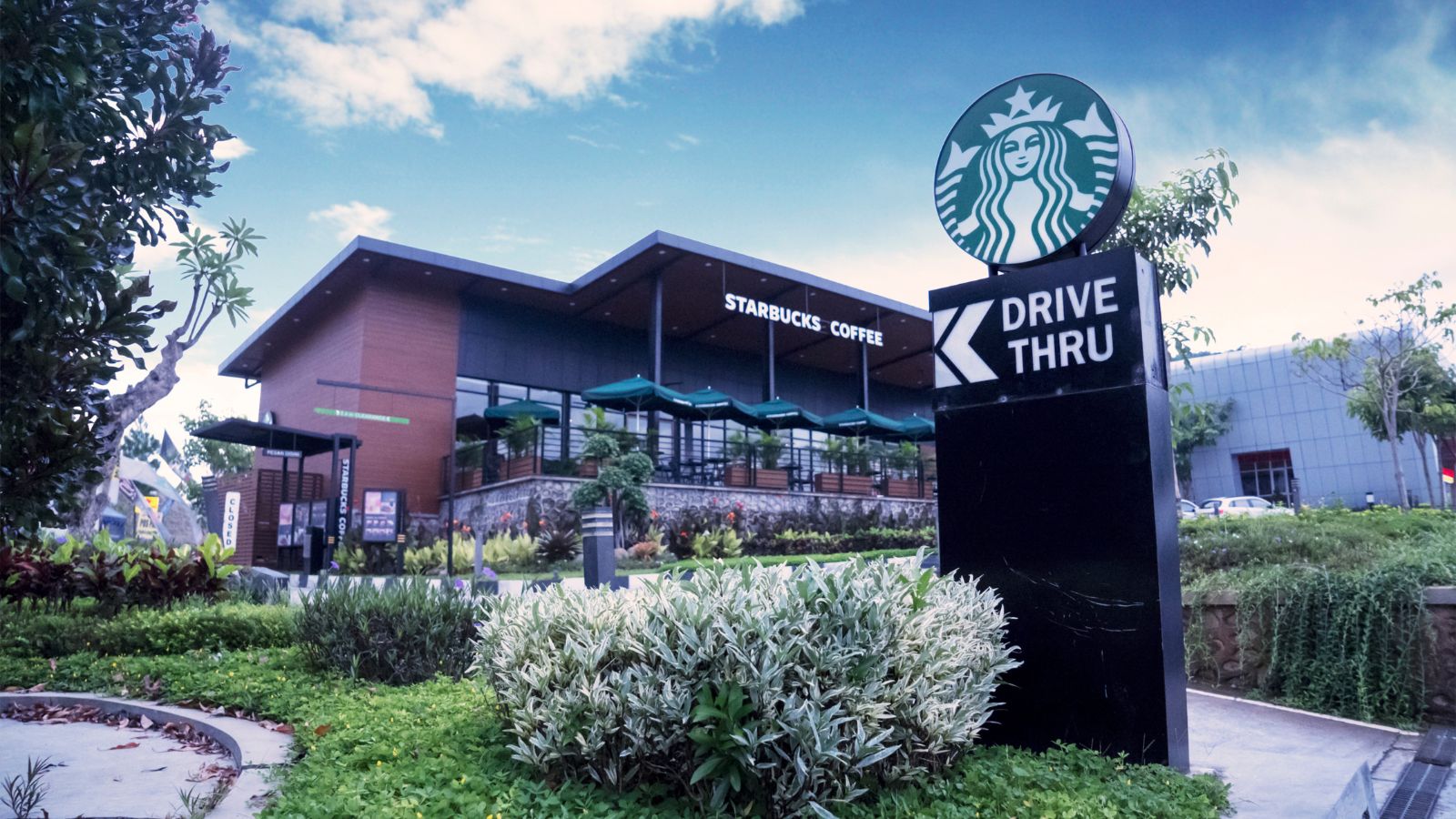
Identifying the next hot neighborhood can be a daunting task for real estate investors, but Starbucks offers valuable insights that can simplify this process. In this article, we will explore five key secrets that reveal how Starbucks locations serve as indicators of rising property values and growth potential. From their analytical expertise to the key indicators to watch for, we’ll provide essential information to help you make informed investment decisions.
How can Starbucks help identify up-and-coming neighborhoods?
Starbucks has become a powerful tool for identifying up-and-coming neighborhoods due to its strategic approach to location selection. The company employs a team of analytical experts who analyze geographic information systems (GIS) data, assessing traffic patterns and existing businesses in potential areas. Research has shown that homes located within a quarter-mile of a Starbucks saw an impressive 21% appreciation in value over five years, compared to 17% for homes located farther away. This significant difference highlights how Starbucks not only thrives in a neighborhood but also signals growth and desirability, making it a valuable indicator for real estate investors.
In my experience, observing Starbucks locations can provide insights into neighborhood trends and property value potential. For example, I found it beneficial to look at areas where new Starbucks shops are opening, as these locations often see an influx of new businesses and residents. The phenomenon known as “The Coffeehouse Effect” suggests that a Starbucks presence can lead to increased property values.
5 Secrets to Spotting the Next Hot Neighborhood with Starbucks
1. Analytical Expertise
Starbucks employs a dedicated team of analytical experts who utilize geographic information systems (GIS) data to evaluate potential locations. This analysis includes understanding traffic patterns, demographics, and nearby businesses. What I realized from this is that Starbucks does not just open stores randomly; their decision-making process is data-driven and precise. For investors, this means that areas chosen by Starbucks are often primed for growth. If you notice a Starbucks moving into an area, it’s a signal that the neighborhood is on the rise, and other businesses may soon follow.
2. Home Value Appreciation
Research has shown that homes near Starbucks locations appreciate significantly faster than those further away. A study revealed that homes within a quarter-mile of a Starbucks saw a 21% increase in value over five years, compared to 17% for those farther out. I believe that this trend is not just about coffee; it reflects lifestyle choices of homebuyers who want access to amenities like Starbucks. As an investor, focusing on properties within this radius can be a strategic move. It’s wise to monitor local real estate listings near new Starbucks to spot potential investment opportunities.
3. The Coffeehouse Effect
The phenomenon known as “The Coffeehouse Effect” describes how the presence of a Starbucks can attract other businesses and boost property values in the area. I recommend looking for neighborhoods where Starbucks is opening multiple locations or where existing ones are expanding. This often indicates that the area is becoming more desirable. In my experience, I have seen local cafes, boutiques, and other businesses thrive in neighborhoods that gain a Starbucks presence, creating a vibrant community that attracts homeowners.
4. Predictive Power
Starbucks has a knack for identifying neighborhoods with long-term growth potential before others catch on. The company’s analytical team uses extensive data to predict where the next hot spots will be. I found it beneficial to keep an eye on neighborhoods where Starbucks locations are planned but not yet opened. These are often areas experiencing demographic shifts or urban development.
5. Community Engagement
Starbucks often engages with local communities by supporting events and initiatives that resonate with residents. This engagement not only strengthens their brand presence but also indicates community investment and growth potential in the area. I suggest observing how Starbucks interacts with its neighborhood—whether through local partnerships or community events—because this can reveal a lot about the area’s character and future desirability. In my experience, neighborhoods with active community involvement tend to attract more residents and businesses, making them prime spots for investment.
The Role of Analytical Expertise in Starbucks’ Expansion
The analytical expertise of Starbucks plays a major role in the company’s expansion strategy, allowing it to identify prime locations for new stores. Starbucks employs a team of 20 analysts who utilize geographic information systems (GIS) data to study traffic patterns, demographics, and nearby businesses. This data-driven approach helps Starbucks predict which neighborhoods will thrive in the future. For example, research shows that homes near Starbucks locations appreciate faster than those further away, with a 21% increase in value over five years compared to just 17% for homes farther from a Starbucks. This indicates that Starbucks is not only successful in its own business but also serves as a predictor of rising property values in the surrounding areas.
Their strategy has proven effective; when a Starbucks opens in an area, it often leads to increased foot traffic and attracts other businesses. For instance, areas that gain a Starbucks often see new restaurants and shops emerge nearby. This growth benefits both Starbucks and the local community, making their analytical expertise essential for successful expansion.Focusing on data and analysis allows Starbucks to open stores in neighborhoods that are likely to attract more customers and bolster local economies.
Understanding Home Value Appreciation Near Starbucks Locations
Research has shown that homes situated within a quarter-mile of a Starbucks see significant value increases—approximately 21% over five years—compared to just 17% for homes located further away. This difference highlights the positive impact that a well-placed Starbucks can have on a neighborhood’s desirability. It’s not just about coffee; the presence of a Starbucks often signals that an area is becoming more popular and attracting new residents and businesses, which ultimately drives up property values.
From my personal experience, I have noticed that neighborhoods with a new Starbucks often start to develop rapidly. For example, I observed one area where the local Starbucks opened, and within a couple of years, several new shops, restaurants, and housing developments followed. This transformation indicates that Starbucks acts as a catalyst for growth, drawing in other businesses and residents. Therefore, knowing the correlation between Starbucks locations and home value appreciation can be incredibly beneficial for anyone looking to invest in real estate.
Key Indicators of a Hot Neighborhood to Watch
- Proximity to Major Transportation Hubs: The accessibility of a neighborhood to public transportation, highways, and major roads significantly influences its desirability. Areas near train stations or bus routes attract commuters and young professionals who prefer convenient travel options. For example, neighborhoods near metro lines often see increased foot traffic and demand for housing, leading to higher property values.
- Emerging Local Businesses: The presence of new restaurants, shops, and entertainment venues is a strong indicator of a neighborhood’s growth potential. When local businesses start to flourish, it reflects a vibrant community that attracts residents. For instance, if you notice a cluster of trendy cafes or boutique stores opening up, it usually means that the area is gaining popularity and can lead to increased home values.
- Demographic Trends: Monitoring the demographics of a neighborhood can provide insights into its future potential. For example, an influx of younger residents or families may indicate that the area is becoming more desirable. If you see more millennials moving in, it often brings about investments in amenities and infrastructure that cater to their lifestyle, further driving up property values.
- Urban Development Plans: Local government initiatives for urban development can significantly impact a neighborhood’s attractiveness. If a city announces plans for parks, community centers, or infrastructure improvements, it can signal upcoming growth. Staying informed about these developments can help you anticipate which neighborhoods will soon see increased investment and interest from homebuyers.
- School District Performance: The quality of local schools is a vital factor for families when choosing where to live. Neighborhoods with highly rated schools not only attract families but also see an increase in property values as demand rises. For example, homes in districts known for excellent educational performance often appreciate more rapidly than those in less favorable districts.
- Historical Appreciation Rates: Analyzing historical data on home appreciation rates can reveal patterns that indicate future performance. If a neighborhood has consistently shown positive appreciation trends over several years, it’s often a sign that the area is stable and desirable. Investors should look for neighborhoods where home values have steadily increased, as this trend is likely to continue.
- Community Engagement and Events: Actively engaged communities with regular events, farmer’s markets, or festivals create a sense of belonging that attracts new residents. A neighborhood that fosters community spirit often sees increased demand for housing as people want to be part of such vibrant surroundings. For example, neighborhoods that host regular street fairs or art walks tend to have a loyal following that can drive up property values.
- Low Vacancy Rates: A low vacancy rate can be a strong indicator of demand in a neighborhood. When rental properties are quickly occupied and there are few available units, it signifies that people want to live in that area. Monitoring rental listings can provide insights into the health of the housing market; neighborhoods with low vacancy rates often experience rising home prices as more buyers enter the market.
Find Your Next Investment Opportunity at GrowthCents.com
Finding the right investment opportunity can be challenging, but GrowthCents.com is designed to simplify that process for investors. Our platform provides comprehensive data on emerging neighborhoods, allowing users to make informed decisions based on real-time analytics and market trends. For instance, we aggregate information about property values, local amenities, and demographic changes, enabling you to identify areas with high growth potential. Our users have reported success in finding properties that appreciate significantly faster than average, thanks to the insights we provide. With tools that analyze historical data and predict future trends, GrowthCents.com helps investors stay ahead of the curve.
As the owner of GrowthCents.com, I have personally witnessed the difference that solid data can make in real estate investing. Early in my investment journey, I struggled to find reliable information about which neighborhoods were worth my attention. However, after developing our platform, I realized how valuable it is to have access to detailed analysis and statistics. For example, one of our users recently found a property in a neighborhood that had been overlooked but was on the verge of revitalization. With our data indicating rising home values and new businesses moving in, they made a successful investment that has since appreciated significantly.
Leave a Reply
You must be logged in to post a comment.