
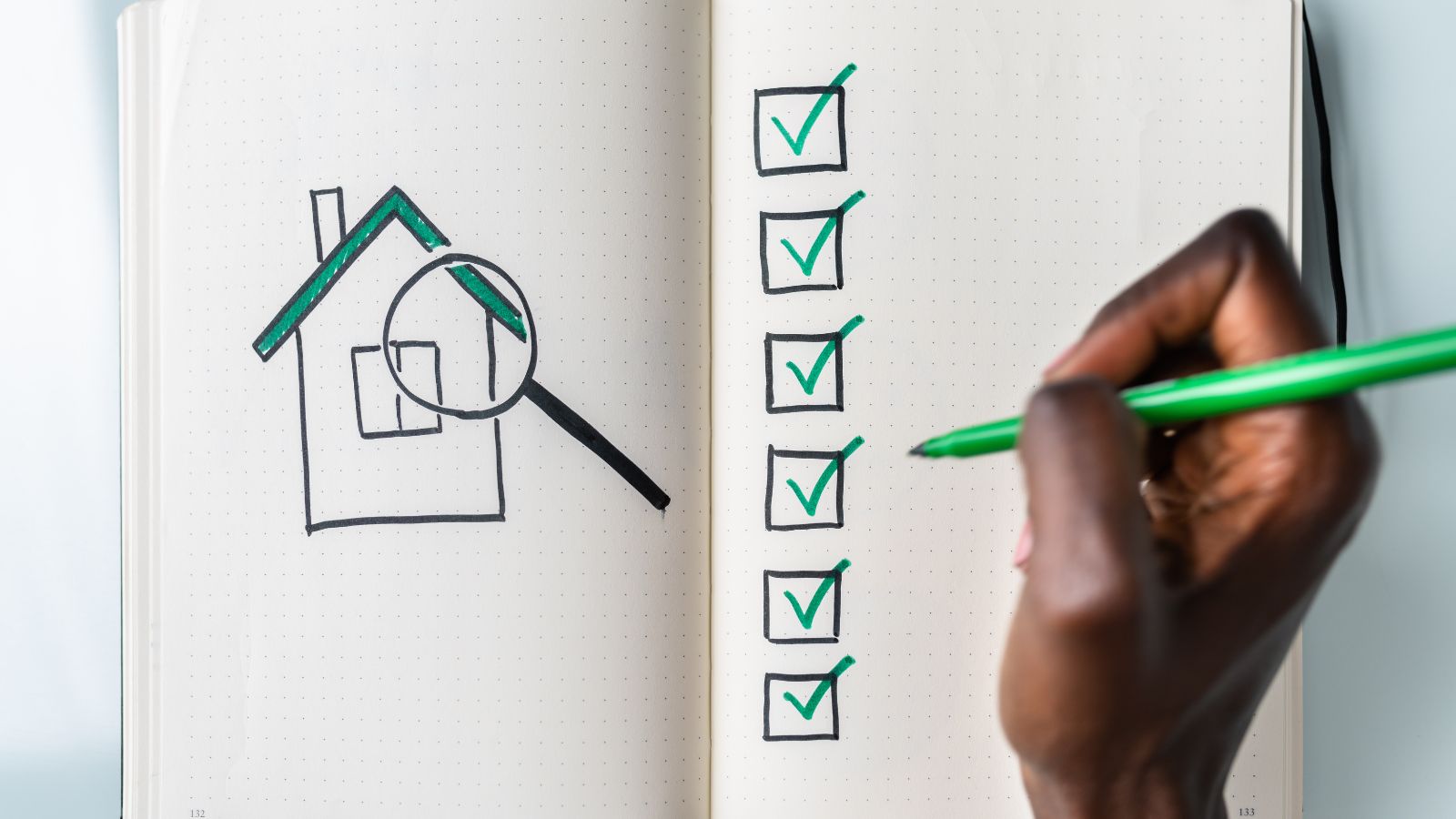
Navigating the complex world of real estate wholesaling demands a strategic approach, and having the right checklists can make all the difference. This article delves into key areas like market research, financial and legal aspects, and effective buyer strategies, providing a roadmap for successful transactions. It highlights how GrowthCents.com serves as a valuable resource for investors and homeowners looking to buy and sell distressed properties with ease.
What Are the Key Checklists for Real Estate Wholesaling?
Real estate wholesaling thrives on meticulous planning, and having detailed checklists is your secret weapon. First off, focus on market research and property identification. You need to dive deep into location and neighborhood analysis. Look beyond just the streets; understand demographic trends, crime rates, and accessibility factors. For example, proximity to highways or public transit can make a property more appealing. Also, keep an eye on the development potential of the area—any upcoming infrastructure projects or new businesses can boost property value. Don’t skip out on checking local school quality if families are your target buyers. I overlooked this in a deal, and it cost me a potential sale because families prioritize good schools. These insights will guide you in identifying properties with promising returns.
On the financial and legal front, a checklist ensures you don’t overlook critical steps. Conduct thorough financial analyses to gauge profitability—this includes understanding ARV (After Repair Value) and calculating potential repair costs. Legal compliance is equally vital; get the right zoning reviews and conduct meticulous title searches to avoid nasty surprises like liens. When attracting buyers, build a robust buyers list targeting rehabbers or landlords, and use multiple marketing channels like real estate investor meetings or online listings. I found that meeting investors in person often leads to quicker deals—there’s something about face-to-face interactions that builds trust faster. Finally, during negotiation and contract execution, clarity is key. Define all terms clearly in your purchase agreement and make sure there’s an assignment clause if you’re flipping the contract. If you ensure each of these elements is addressed, you’ll streamline your wholesaling process significantly.
7 Essential Checklists for Successful Real Estate Wholesaling
1. Market Research and Property Identification
Start by diving deep into the specifics of location and neighborhood analysis. Go beyond just the surface; think about demographic shifts, crime statistics, and accessibility. How close are major highways or public transportation? These factors can significantly affect a property’s appeal. Check out local amenities like grocery stores or gyms—they can enhance property value. Also, look for indicators of future growth, such as new businesses or infrastructure projects. I found a gem of a property simply by noticing a new tech campus being built nearby, which wasn’t on anyone’s radar yet. Always keep these insights in your toolkit to identify properties with high potential.
2. Financial Analysis and Legal Compliance
This is where you need your calculator and legal eagle hat on. Conduct a thorough financial analysis—calculate the ARV (After Repair Value) and estimate repair costs meticulously. Just make sure you’re not cutting corners with legal compliance; zoning reviews and title searches are non-negotiable. You’d be surprised how often liens or zoning issues pop up unexpectedly. I learned this the hard way with a property that had an undisclosed zoning restriction, which delayed the sale significantly. Always double-check these elements to prevent costly mistakes later.
3. Building and Maintaining a Buyers List
Your buyers list is your safety net in wholesaling. Identify and target rehabbers and landlords who are in constant search of discounted properties. Use multiple marketing channels like real estate investor meetings, online listings, or even direct mail. Networking is crucial here—attend events and meetups to build genuine relationships. I found that personal connections often lead to quicker deals, as there’s an element of trust when you’ve met face-to-face. Keep your list updated and segmented based on buyer preferences for more efficient sales opportunities.
4. Marketing Strategies for Finding Buyers
Once you’ve got properties under contract, it’s time to spread the word. Leverage online platforms, but don’t ignore traditional methods like yard signs or direct mail; they still work! Tailor your marketing message to highlight unique property features or investment potential. A while back, I sold a fixer-upper by emphasizing its proximity to an up-and-coming arts district, which appealed to creative investors looking for trendy redevelopment opportunities. Knowing your audience and crafting your message accordingly can make all the difference.
5. Negotiation Techniques and Contract Execution
Negotiation is an art, not a battle. Be clear about the seller’s bottom line and communicate the benefits of a quick close to both parties. When it comes to contracts, clarity is crucial. Just make sure all terms are clearly defined, especially the assignment clause if you plan to flip the contract to another buyer. From experience, having well-defined terms has saved me from potential disputes down the line. You’ll want everything in black and white to avoid ambiguity and make sure a smooth transaction.
6. Closing Procedures
Closing is where the deal becomes real. Coordinate closely with a reliable title company to handle legal aspects like title searches and lien verification. Prepare all necessary documents—purchase agreements, assignment contracts—and review them thoroughly to prevent errors. Keep the buyer informed at every step, from title search results to the final closing date, which builds trust and make sures a seamless closing process. I’ve seen deals falter due to poor communication; keeping everyone in the loop is key.
7. Utilizing Digital Tools and Apps
Incorporate digital checklist apps into your workflow for real-time updates and team collaboration. These tools help track progress and make sure accountability across all stages of the wholesale deal. I’ve found that using apps like Trello or Asana has streamlined my processes significantly, allowing me to keep track of multiple deals simultaneously without missing any critical steps. These tools also facilitate easy communication with team members, making sure everyone is on the same page at all times.
Market Research: Identifying Profitable Properties
When identifying profitable properties, start by focusing on the location. Think about the neighborhood’s vibe and who lives there. Look for areas where cool stuff is happening, like new shops, parks, or schools. These changes can make a property worth more money later. Check how safe it is by looking at crime rates and see if people like living there. If families are your target buyers, notice the quality of local schools, which can be super important. Also, think about how easy it is to get around, like being close to buses or highways. These things can make a house more attractive to buyers.
Next, dive into the numbers. You’ve got to figure out the ARV, which is the After Repair Value. This means how much the house will be worth after you fix it up. Calculate how much repairing stuff will cost—don’t just guess. Be precise! Check if there are any hidden problems like liens on the property, which means someone else has a claim on it. These can cause big headaches if not cleared up. You want to find places where you’ll get more money back than you spend fixing it. Using tools like a Comparative Market Analysis (CMA) helps compare similar houses to find out the right price. This way, you know you’re finding a property that can make you money in the future.
Navigating Financial Analysis and Legal Compliance
When tackling financial analysis in real estate wholesaling, you need to break down the numbers carefully. First, calculate the ARV (After Repair Value) by comparing similar properties that have recently sold in the area. Use a CMA (Comparative Market Analysis) for this. Then, estimate repair costs accurately—don’t just eyeball it. Use detailed inspections to identify what needs fixing and how much each repair will cost. This step is crucial because underestimating repair costs can kill your profits. Calculate your Maximum Allowable Offer (MAO) by considering the ARV, repair costs, and your desired profit margin. A common formula used is: MAO = (ARV x 0.70) – Repair Costs, where 0.70 is a typical percentage to maintain a buffer for profit and unexpected expenses.
Legal compliance involves ensuring the property is free from issues like liens or zoning restrictions. Conduct a thorough title search to confirm there are no legal claims against the property that could complicate or prevent a sale. I used to encounter a property with an undisclosed lien that nearly derailed a deal; it was resolved only after lengthy negotiations with the lienholder. Verify zoning regulations so that the intended use of the property aligns with local laws. For instance, if you plan to convert a single-family home into multiple rental units, make sure zoning laws permit such a change. Always have a clear purchase agreement with clauses that protect your interests, such as contingencies for financing or inspection results. These legal steps safeguard your investment and make sure smooth transactions.
Strategies to Attract and Screen Potential Buyers
- Build a Strong Buyers List: Start by networking with rehabbers, landlords, and other real estate investors who are always on the lookout for good deals. Attend local real estate meetups and investment clubs to connect with potential buyers. You can also join online forums or social media groups focused on real estate investing. Keep your list organized with details about each buyer’s preferences and investment criteria.
- Use Multiple Marketing Channels: Don’t rely on just one method to advertise your properties. Use online platforms like Zillow or Craigslist, but also consider traditional methods such as yard signs or direct mail campaigns. I once attracted a buyer simply by placing an eye-catching sign in front of the property. Diversifying your marketing efforts increases your chances of reaching the right audience.
- Highlight Unique Property Features: When advertising a property, focus on what makes it special. Whether it’s a large backyard, proximity to schools, or recent renovations, these features can make a property stand out. For example, if the property is near a booming arts district, mention how that adds cultural value and potential for appreciation.
- Screen Buyers Thoroughly: Before you invest too much time, verify that potential buyers are serious and financially capable. Ask for proof of funds or a pre-approval letter from their lender. This step ensures you’re dealing with someone who can actually close the deal, avoiding last-minute surprises.
- Leverage Testimonials and Success Stories: Share stories of past successful deals to build credibility with new buyers. If you’ve helped other investors make profitable deals, let potential buyers know. This not only establishes trust but also positions you as an experienced wholesaler in the market.
- Offer Incentives for Quick Closing: To motivate buyers, consider offering incentives such as covering closing costs or providing a small discount for cash offers. This strategy can speed up negotiations and encourage buyers to act swiftly.
- Maintain Open Communication: Keep potential buyers informed throughout the process with regular updates on property status and any changes. Transparency builds trust and helps prevent misunderstandings that could derail a deal. I’ve found that regular check-ins with buyers keep everyone aligned and the process smooth.
Closing Process Essentials for a Smooth Transaction
When it comes to closing process essentials, we at Growth Cents make sure everything is as smooth as spreading butter on warm toast. First, coordinating with a reliable title company is key. They handle the nitty-gritty like title searches and ensuring there are no liens on the property, which is essential for avoiding last-minute hitches. We ensure all documents are meticulously prepared, from the purchase agreement to any assignment contracts, and review them like hawks to prevent slip-ups. Keeping our buyers informed every step of the way—whether it’s about title search results or final closing dates—is something we prioritize. This transparency helps build trust and make sures everyone is on the same page, which is especially important when dealing in distressed or wholesale properties listed on GrowthCents.com.
Our platform, GrowthCents.com, is designed to simplify the buying and selling of distressed and wholesale properties, so we make sure the financing checks out before closing. Whether buyers are using cash, hard money loans, or traditional financing, we confirm all financial ducks are in a row. Ensuring this financial readiness helps us avoid any hiccups that could mess with the closing timeline. We also take pride in our customer service—if a buyer has questions about a rehab home or commercial property listed on our site, we’re just a call or click away. This hands-on approach not only reassures buyers but also streamlines the entire transaction, helping you get from offer to ownership without unnecessary stress.
Leave a Reply
You must be logged in to post a comment.