
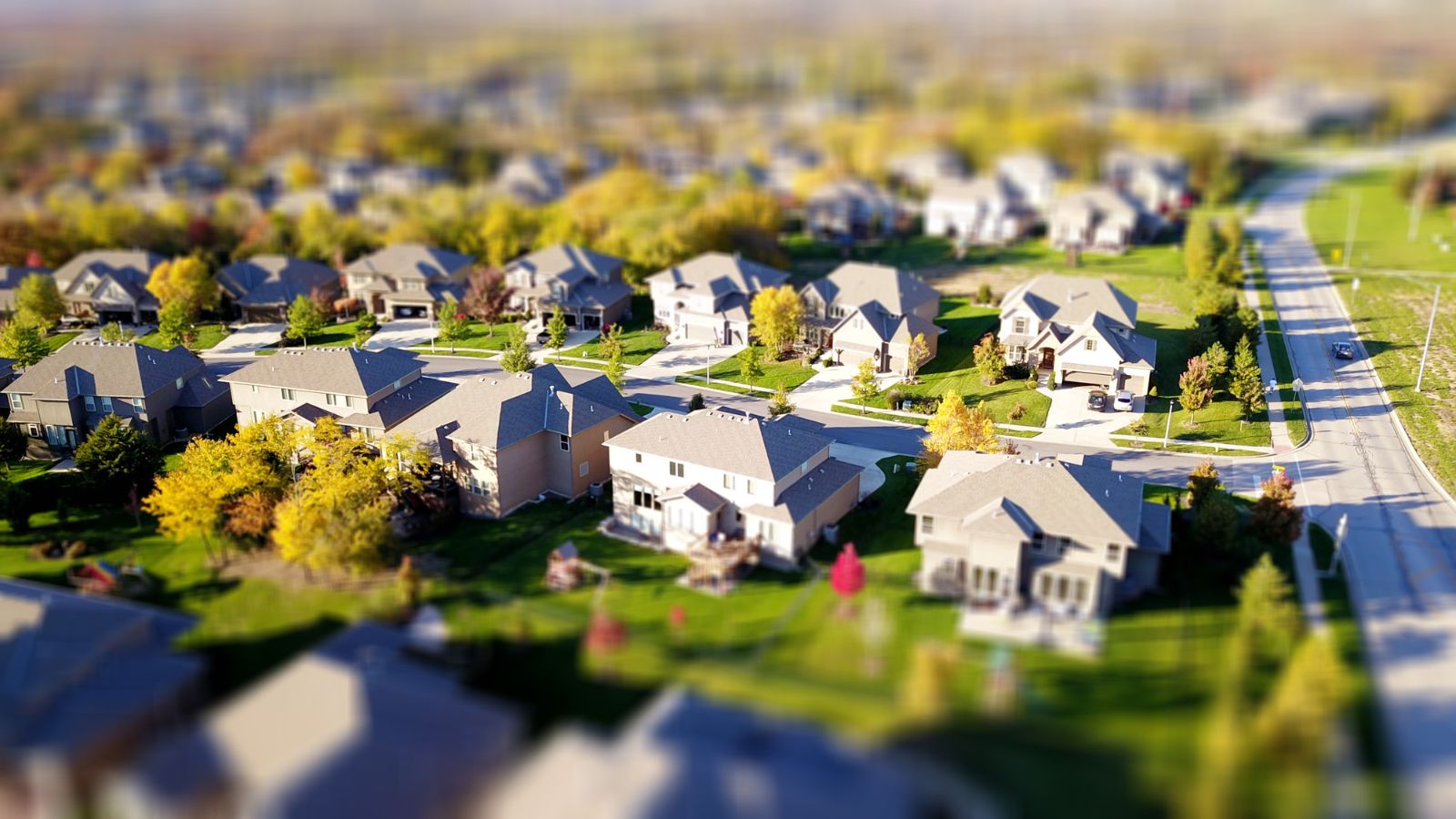
Evaluating neighborhoods is a vital step when considering off-market properties, as it can significantly impact your investment decision. This article presents seven essential tips to help you assess various factors, from economic indicators to safety and amenities, ensuring you make informed choices. Understanding these elements allows you to better navigate the real estate landscape and identify the right investment opportunities.
How do you evaluate a neighborhood for off-market properties?
When evaluating a neighborhood for off-market properties, start by analyzing key economic indicators. Look at job growth trends and unemployment rates to gauge the area’s economic stability. If you find that a major employer has recently expanded operations or relocated to the area, it often signifies potential for increased demand for housing. Check median household income levels and population growth projections to understand the demographic changes influencing the market. In my experience, I found a neighborhood with a 15% increase in median income over five years, which translated into rising property values and rental rates, making it a smart investment.
Next, dive into real estate market data and assess crime rates. Home value trends over the past decade can reveal the neighborhood’s appreciation potential. Analyzing average days on the market helps you understand buyer demand. Meanwhile, reviewing local crime statistics provides insights into safety, which directly affects property desirability. I recall visiting a neighborhood that initially seemed appealing, but upon checking crime data, I discovered a spike in property crimes. This prompted me to look elsewhere. Finally, talk to locals and connect with real estate agents familiar with the area. Their insights can provide invaluable context that raw data can’t capture, helping you make an informed decision about the off-market property you’re considering.
7 Essential Tips for Evaluating Neighborhoods of Off-Market Properties
1. Research Local Economic Indicators
Start by digging into local economic indicators, as they provide a snapshot of the area’s financial health. Look for job growth trends and major employers in the vicinity. You want to see if businesses are expanding or new ones are moving in, as this often signals a thriving community. Checking median household income levels is also key; a steady increase over time can indicate a desirable neighborhood. Don’t overlook population growth projections, either. Areas expecting an influx of residents may experience rising property values, making them prime spots for investment.
2. Analyze Real Estate Market Data
Next, take a close look at real estate market data. Investigate home value trends over the past 5 to 10 years to familiarize yourself with how properties have appreciated. Pay attention to the average days on market; shorter times can indicate strong buyer demand. Comparing price-to-rent ratios can help you determine whether it’s more beneficial to buy or rent in that area. Also, look at foreclosure rates; high numbers can signal underlying issues with the neighborhood’s financial stability. I overlooked this aspect and ended up with a property in a declining market—avoid my mistake by being thorough here.
3. Evaluate Schools and Education
Education quality directly impacts property values, so researching local schools is crucial. Check school district ratings and test scores, as higher-performing schools attract families willing to pay more for homes nearby. Graduation rates and college attendance rates can also reflect community priorities. Uncover any planned school improvements or new constructions, which can enhance the area’s appeal. A personal tip: I found a neighborhood where a new high school was planned, leading to increased interest from families, and consequently, an uptick in property values.
4. Assess Crime and Safety
Safety is paramount when choosing a neighborhood, so evaluating crime statistics is essential. Look for online crime maps from local police departments to get a clear picture of safety issues. Beyond just numbers, check for neighborhood watch programs or community initiatives aimed at reducing crime. Engaging with locals can also provide insights that raw data might miss; they can share personal experiences about safety in the area. I found a great property in a seemingly safe neighborhood, but locals warned me about occasional issues—this firsthand knowledge was invaluable.
5. Observe the Neighborhood in Person
Nothing beats the firsthand experience of visiting a neighborhood. Drive through at different times—mornings, afternoons, and weekends—to get a feel for the area’s vibe. Pay attention to property maintenance and upkeep; well-kept homes often indicate a prideful community. Look for signs of investment like renovations or new construction that signal growth and stability. While touring, note the mix of owner-occupied versus rental properties; neighborhoods with more homeowners tend to be more stable and engaged.
6. Research Amenities and Infrastructure
Proximity to amenities can significantly influence property desirability. Check how close shopping centers, dining options, parks, and public transit are located. Also, look into planned developments or infrastructure improvements that could enhance the area’s livability in the future. Evaluating road conditions, sidewalks, and streetlights can give you insights into how well the community takes care of its infrastructure—these details often affect daily life more than you might think.
7. Talk to Locals
Nothing beats getting insights straight from the source—talk to locals! Engage neighbors to learn about their experiences living in the area. Local real estate agents can also provide valuable insights on market trends and property values. Don’t underestimate the power of social media groups or local forums either; they often have discussions about neighborhood happenings that could be telling. I connected with a local group that highlighted upcoming community events, which made me feel more confident about the area’s vibrancy and engagement level.
Key Economic Indicators to Consider for Neighborhood Evaluation
When evaluating a neighborhood, focus on key economic indicators that can give you insight into its financial health. Start by looking at job growth trends. Areas with increasing job opportunities usually attract more residents, which can lead to higher demand for housing. Check the unemployment rate; a low rate often means people are finding jobs easily, making the neighborhood more stable. Investigate median household income levels as well. If incomes are rising, it suggests that residents have more money to spend, which can drive up property values and local businesses.
Another important factor is population growth. Neighborhoods that are gaining new residents often see an increase in housing demand, which can boost property prices over time. Look for major employers in the area too; if a big company is located nearby, it can attract workers and their families. Finally, pay attention to local infrastructure developments, such as new schools or transportation improvements. These investments can enhance the neighborhood’s appeal and lead to long-term growth, making it a better place for both living and investing.
The Importance of Schools and Amenities in Neighborhood Assessment
Schools play a big role in neighborhood assessment because they directly affect property values and community desirability. Families often prioritize homes near high-quality schools. Research shows that neighborhoods with top-rated schools can see home prices increase by as much as 10% or more compared to those with lower-rated schools. Graduation rates and student performance statistics are key indicators of school quality. If a school consistently has high test scores and graduation rates, it attracts families who want the best education for their children, which in turn boosts demand for housing in that area.
Amenities also significantly impact how desirable a neighborhood is. Proximity to parks, shopping centers, restaurants, and recreational facilities can enhance a community’s livability. When I was looking for a home, I found a neighborhood with a fantastic park and community center that hosted events and activities. This not only made the area more enjoyable but also increased the property values as families flocked to enjoy those amenities. Studies show that neighborhoods with easy access to public transportation and essential services tend to retain residents longer, contributing to a stable housing market.
Factors Influencing Crime Rates and Safety Perceptions
- Community Engagement: A neighborhood with active community programs and events often experiences lower crime rates. When residents know each other and participate in local initiatives, they are more likely to look out for one another. Neighborhood watch groups can deter criminal activity by increasing vigilance among residents.
- Law Enforcement Presence: Areas with a visible police presence usually have lower crime rates. Regular patrols and community policing initiatives can foster trust between law enforcement and residents, leading to quicker reporting of suspicious activities. If you see officers regularly engaging with the community, it often indicates a commitment to maintaining safety.
- Socioeconomic Factors: High poverty rates can correlate with increased crime rates. Areas struggling with unemployment and low median income can create environments where property crimes are more common. If you notice a lot of boarded-up homes or businesses in an area, it might signal economic distress, which can lead to higher crime levels.
- Urban Design: The layout of a neighborhood can influence safety perceptions. Well-lit streets, clear sightlines, and open spaces can reduce crime by making it harder for criminals to operate unnoticed. Parks that are visible from homes and streets tend to be safer as people are more likely to use these spaces and keep an eye on them.
- Availability of Social Services: Access to mental health resources, addiction treatment centers, and job training programs can help address underlying issues that contribute to crime. Neighborhoods that provide support systems for at-risk individuals often see lower crime rates as these services can help people reintegrate into society.
- Local Media Coverage: How crime is reported in local news can shape public perception of safety. If media outlets frequently highlight crime stories, it can create a sense of fear among residents, even if actual crime rates are low. Staying informed through balanced news sources can provide a clearer picture rather than relying on sensationalized reports that might skew your perception of safety.
- Historical Crime Trends: Past crime trends in a neighborhood can influence current safety perceptions. If a neighborhood has a history of high crime, it may take time for perceptions to change even if recent statistics show improvement. When evaluating a potential investment, look at historical data alongside current figures to better understand the area’s trajectory.
Exploring GrowthCents.com: Your Resource for Evaluating Off-Market Properties
At GrowthCents.com, we provide a platform tailored for evaluating off-market properties, which can be a game-changer for investors and homeowners alike. Our site specializes in listings for distressed, wholesale, foreclosure, and rehab homes, as well as commercial properties in various conditions. This means you can easily find properties that fit your investment strategy without the hassle of traditional listings. We know that evaluating these properties requires more than just a quick glance at the price; it involves digging into key economic indicators, assessing neighborhood safety, and analyzing potential returns on investment.
We also know that finding the right property is just part of the equation. That’s why our directory includes detailed information about each listing to help you make informed decisions. From the condition of the property to insights about the surrounding neighborhood, we aim to equip you with all the necessary data for a thorough evaluation. Plus, we encourage you to engage with our community of investors and homeowners who share their experiences and tips. This collaborative environment makes it easier to learn about specific areas and find valuable resources for your property journey.
Leave a Reply
You must be logged in to post a comment.