
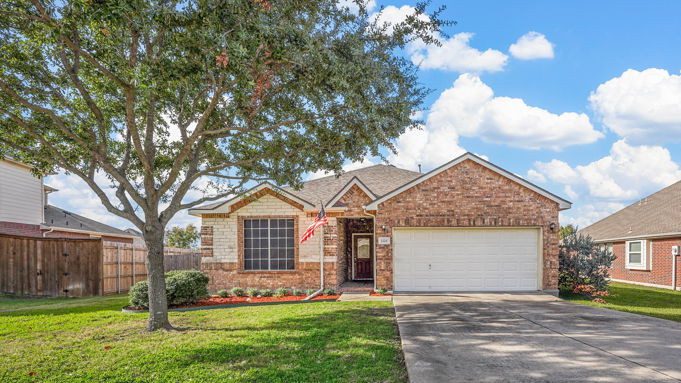
Negotiating off-market deals can be a game-changer for real estate investors and homeowners looking for unique opportunities. In this article, we’ll explore seven essential tips that will enhance your negotiation skills, from thorough research and preparation to building rapport with sellers. Utilizing these strategies allows you to successfully navigate the complexities of off-market transactions and secure valuable properties through effective negotiation.
How can I negotiate off-market deals effectively?
To negotiate off-market deals effectively, start with comprehensive research on the property and its local market. Understand the fair market value by analyzing recent sales data, neighborhood trends, and property characteristics. This will not only inform your offer but also bolster your negotiating position. When I first approached an off-market opportunity, I had my financing pre-approved, which put me in a strong position to negotiate. Sellers are more likely to engage when they see you’re a qualified buyer ready to close. Identify your deal-breakers and budget constraints before making contact; knowing your limits helps you stay focused and prevents you from overextending yourself.
When making contact, be tactful and professional. A handwritten note expressing genuine interest can make a positive impression. Build rapport with the seller by understanding their motivations—are they looking for a quick sale, or do they have emotional ties to the property? Tailor your offer to meet their needs while still advocating for your interests. Utilize creative deal structures like seller financing or lease options to sweeten the pot. Remember to be patient; off-market negotiations can take time. After reaching an agreement, get everything in writing and make sure you follow through on commitments to maintain trust throughout the process.
7 Essential Tips for Successfully Negotiating Off-Market Deals
1. Research and Preparation
Before you dive into negotiations, do your homework. Look into the property’s history, neighborhood trends, and recent sales to gauge a fair market value. Use tools like Zillow or Redfin for current listings and sales data. It’s also wise to familiarize yourself with any zoning regulations or upcoming developments that could impact property values. When I was preparing for my first off-market deal, I spent hours combing through public records and local news. This research not only built my confidence but also provided me with solid talking points during negotiations.
2. Have Your Financing Ready
Having your financing lined up can make a significant difference in negotiations. Sellers want assurance that you can close the deal, so consider getting pre-approved for a mortgage or having cash ready if possible. This shows that you’re serious and capable, which can put you ahead of other potential buyers. I lost out on a great property because I didn’t have my financing in order, and the seller went with a more prepared buyer. So, take the time to secure your funding before making your move.
3. Identify Your Budget and Deal-Breakers
Know your financial limits and what features are must-haves versus nice-to-haves. Before contacting sellers, write down your budget, desired property features, and any deal-breakers. This clarity will help you stay focused during negotiations and prevent emotional decisions that could lead to overpaying. When I was looking for my investment property, I realized that my ideal location wasn’t a deal-breaker as long as the property met my financial criteria. Keep this flexibility in mind; it can open up more opportunities.
4. Use a Tactful Approach for Contact
When reaching out to off-market property owners, be tactful and genuine. A handwritten note expressing your interest can be surprisingly effective—people appreciate the personal touch. Avoid coming on too strong; instead, frame your inquiry as a conversation starter. If you can find common ground or build rapport with the seller, it can significantly improve your chances of a favorable negotiation. The last time I used this approach, I connected with a seller over shared interests, which made the entire process smoother.
5. Focus on Seller Motivations
Knowing the seller’s motivations is essential for crafting a compelling offer. Are they looking for a quick sale due to financial stress, or do they want so that their home goes to someone who will cherish it? Tailor your offer to meet their needs while still protecting your interests. If they need to close quickly, offering an expedited timeline could make your proposal stand out. I secured an off-market deal by simply asking the seller what they needed most from the transaction; it led to a mutually beneficial agreement.
6. Be Prepared to Compromise
Negotiation is often about finding middle ground. While it’s essential to know your walkaway point, being flexible helps facilitate a smoother negotiation process. Consider creative deal structures like seller financing or lease options if they fit the situation. These alternatives can provide solutions that benefit both parties, especially if the seller is hesitant about traditional selling methods. I successfully negotiated a lower price with a seller by offering them flexible payment terms that worked within their financial constraints.
7. Get Everything in Writing
Once you’ve reached an agreement, ensure all terms are documented clearly and concisely. This protects both you and the seller and minimizes misunderstandings down the line. Utilize a real estate attorney to draft the contract to ensure legality and compliance with local regulations. After my last negotiation, I learned the hard way that verbal agreements can lead to disputes; therefore, having everything in writing is non-negotiable for a smooth closing process. Plus, it builds trust as you follow through on your commitments throughout the deal.
Importance of Research and Preparation in Negotiation
Research and preparation play critical roles in successful negotiations. When you gather information about the property, its history, and the local market, you equip yourself with the knowledge needed to make informed decisions. Knowing recent sales prices of similar properties helps you determine a fair offer. In off-market deals, understanding neighborhood developments or zoning changes can also reveal potential value increases or decreases. This knowledge not only strengthens your negotiating position but also builds confidence, making it easier to communicate your needs and preferences effectively.
Preparation extends beyond just getting to know the property; it also involves knowing your financial situation. Having your financing ready, whether through a mortgage pre-approval or available cash, shows sellers that you’re a serious buyer. This can set you apart from others who may not be as prepared. Identifying your budget and deal-breakers beforehand makes sure you stay on track during negotiations.
Building Rapport: Key to Successful Off-Market Deals
Building rapport with sellers is essential for successful off-market deals. When you take the time to connect with the seller, you create a sense of trust and understanding. This relationship can significantly influence their willingness to negotiate. If a seller feels comfortable with you, they are more likely to be open about their motivations and needs. This information lets you tailor your offer in a way that meets both your interests and theirs. I remember a time when I took an extra moment to chat with a seller about their favorite neighborhood spots. This simple act helped establish a friendly connection, making the negotiation smoother and more enjoyable for both of us.
Effective communication is key in building rapport. Use active listening techniques to show that you value the seller’s perspective. Ask open-ended questions that encourage them to share their thoughts and feelings about the property. When you know their priorities—whether it’s a quick sale or finding a buyer who appreciates the home—you can craft your offer accordingly. In my experience, sellers often appreciate when you acknowledge their emotional ties to the property. This recognition can make them more inclined to consider your proposal favorably.
Effective Negotiation Strategies to Consider
- Start with a Fair Offer: Begin negotiations with an offer that reflects the market value based on your research. A fair opening bid shows respect for the seller and sets a positive tone for discussions. If similar properties in the area sell for $300,000, consider starting around that price instead of lowballing. This approach can prevent resentment and keep negotiations moving forward.
- Understand Seller Motivations: Dig deeper into why the seller is putting their property on the market. Knowing whether they need to sell quickly due to financial reasons or are simply testing the waters can shape your negotiation strategy. If they’re in a hurry, you might emphasize a quick closing in your offer, which could sway them to accept a lower price.
- Be Ready to Compromise: Flexibility is crucial during negotiations. Be prepared to adjust your offer based on the seller’s feedback. If they counter with a higher price but offer to leave some furniture behind, evaluate whether that added value makes the deal worth it for you. Compromise can create a win-win situation where both parties feel satisfied.
- Utilize Creative Financing Options: Introducing alternative financing methods, such as seller financing or lease options, can make your offer more attractive. If the seller is reluctant to drop the price, proposing seller financing may allow them to receive steady payments over time while still getting a good price. This approach can appeal to sellers who may not need full payment upfront.
- Present Multiple Offers: If possible, provide the seller with multiple equivalent offers. This strategy gives them options and can create a sense of urgency to respond before deciding. You might present offers that include different prices based on closing timelines or additional contingencies. This tactic can also showcase your flexibility and willingness to meet their needs.
- Use Contingencies Wisely: Contingencies can protect your interests while keeping your offer appealing. If you include a home inspection contingency, it allows you to back out of the deal if significant issues arise without losing your earnest money. When used strategically, contingencies can be a safety net that gives you leverage during negotiations.
- Follow Up Promptly: After presenting your offer, maintain communication with the seller. A quick follow-up shows that you’re serious and engaged in the process. Send a friendly message thanking them for considering your offer and expressing enthusiasm about the potential deal. This gesture can reinforce rapport and keep you top of mind as they weigh their options.
Find Off-Market Opportunities at GrowthCents.com
At GrowthCents.com, we specialize in connecting investors and homeowners with off-market opportunities that often fly under the radar. Our platform is designed to help you find distressed properties, wholesale deals, foreclosures, and rehab homes that you might not discover through traditional listings. We know that these properties can come in all shapes, sizes, and conditions, so we’ve created a user-friendly directory that makes it easy for you to search based on your specific needs. If you’re looking for a quick flip or a long-term investment, our listings cater to various strategies that investors like you might use in the real estate market.
We pride ourselves on providing comprehensive information about each property, including detailed descriptions and photos to give you a clear picture of what you’re getting into. Utilizing GrowthCents.com allows you to access unique opportunities that can lead to profitable investments. Our platform also allows you to connect directly with sellers, facilitating smoother negotiations and potentially better deals. With the right research and preparation, you can leverage our listings to find the perfect off-market property that aligns with your goals in real estate.
Leave a Reply
You must be logged in to post a comment.