
Off-market properties offer unique opportunities for buyers and sellers who value privacy and exclusive deals. This article explores the most common types of off-market properties and explains why they attract certain investors and homeowners. You will also learn effective strategies to find these hidden real estate gems and how GrowthCents.com can help connect you with distressed, wholesale, and foreclosure properties.
What Are Off-Market Properties and Why Do They Matter to Buyers and Sellers?
Off-market properties are homes or commercial spaces that don’t show up on popular listing sites like MLS or Zillow. These deals happen behind the scenes, often through word-of-mouth, direct outreach, or private networks. For buyers, off-market properties can mean less competition and a better shot at snagging a deal before it hits the open market. Sellers prefer this route when they want to keep things low-key, avoid the hassle of staging, or dodge extra fees linked with public listings. The real kicker? Off-market sales sometimes close quicker since both parties are usually motivated and ready to move.
For sellers, keeping a property off-market offers control over who sees their home and how negotiations roll out. It can also protect the property’s value from dipping due to prolonged public exposure. Buyers hunting off-market often find gems like distressed properties or inherited homes priced below market value, though these might need some TLC. Data shows nearly 20% of real estate transactions happen off-market, reflecting how important this niche is for folks looking for privacy or a competitive edge in tough markets. So if you want to skip the bidding wars and get a deal that others don’t even know about, off-market could be your secret weapon.
7 Types of Properties Commonly Found Off-Market in Real Estate
1. Distressed Properties
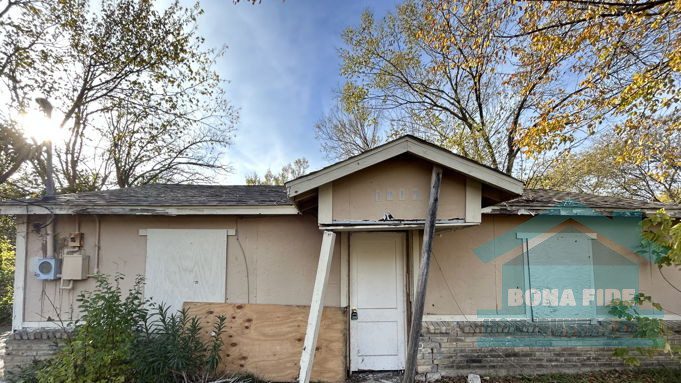
Distressed properties are homes or buildings facing financial trouble like foreclosure or serious maintenance issues. These often show up off-market because owners want to avoid the stigma of a public listing or the stress of a drawn-out selling process. If you’re hunting for bargains, these can be gold mines, but keep in mind they usually need repairs that could eat into your budget. Pro tip: connect with local banks or asset managers who handle these properties. They often have quiet portfolios not listed anywhere, and you can negotiate directly without the usual competition.
2. Inherited Properties
When someone inherits real estate, they might not want to deal with the hassle of listing it publicly, especially if they live far away or aren’t emotionally ready to sell. These homes often sit quietly off-market waiting for the right buyer. If you tap into probate courts or talk to estate attorneys, you can find these gems early. The sellers tend to be motivated but want a smooth transaction without a lot of fuss, so having patience and flexibility can pay off big here.
3. Vacant Properties
Vacant homes or commercial spaces don’t always make it to public listings because owners might want to avoid vandalism, squatting, or neighborhood rumors about their property. These off-market spots can be hidden treasures if you keep an eye on local government records or utility shut-offs, which often hint at vacancy. If you reach out directly, some owners are willing to sell quick just to get rid of ongoing costs like taxes or maintenance.
4. Luxury Properties
High-end homes often stay off-market to protect privacy and exclusivity. Sellers don’t want their million-dollar estates advertised for the whole world to see. Instead, these deals happen through private networks or specialized agents who know how to discreetly connect buyers and sellers. If you’re in the luxury market, build relationships with top agents who have access to pocket listings—these are exclusive opportunities you won’t find online.
5. Properties Owned by Investors
Investors who own rental properties or fix-and-flips sometimes prefer off-market sales to avoid alerting tenants or competitors about their next move. These sellers often have clear timelines and need quick closings, so getting on their radar early can secure you a better price. Look for absentee owners through tax records or local landlord forums to spot potential deals closed under the radar.
6. Properties with Zoning or Legal Issues
Some properties face zoning challenges, liens, or other legal complications that scare off typical buyers when listed openly. Owners might opt for an off-market sale to avoid public scrutiny and find a buyer who’s willing to take on the extra legwork. If you’re comfortable navigating legal hurdles, these deals often come with steep discounts and less competition—just make sure you’ve got good legal counsel in your corner.
7. Commercial Properties Not Yet Ready for Market
Commercial spaces under development or those with pending tenant issues often stay off-market until everything is squared away for a smooth sale. Owners might also keep them private while testing potential buyers or strategic partners quietly. Network with commercial brokers and attend local business meetups to catch wind of these stealth listings before they hit the open market—you’ll gain access to opportunities others miss.
How Privacy and Exclusivity Influence Off-Market Property Sales
Off-market property sales often hinge on privacy, which helps sellers avoid the exposure that comes with public listings. This privacy shields owners from multiple showings, unsolicited offers, and potential price wars. In high-net-worth transactions, privacy also protects sensitive information about the property and the seller’s financial situation. Exclusivity plays a role too—when properties trade hands off-market, they often attract serious buyers vetted through trusted networks. This cuts down time wasted on unqualified offers and keeps negotiation rooms smaller, making it easier to strike deals quickly without external pressure.
Exclusivity also impacts pricing strategy. Sellers can maintain higher asking prices without the downward pressure of public market comparisons or bidding wars. Buyers get access to unique properties that aren’t available to the general market, which can include rare estates or commercial spaces with specialized uses. Research shows off-market deals close faster, averaging 30-40% less time on market than traditional listings, saving both sides thousands in carrying costs and transaction fees. This streamlined approach makes off-market sales a tactical choice for those who want control over timing and terms, not just the price tag.
Key Strategies to Find Off-Market Real Estate Opportunities
Networking with wholesalers, real estate attorneys, and probate specialists often leads to off-market deals before they hit any platform. Wholesalers frequently control contracts for distressed or inherited properties and can assign them quickly to buyers ready to close. Probate attorneys manage estates that include inherited properties, which sellers might want to move fast without public listings. Getting on mailing lists or joining investor meetups helps you tap into these channels early and builds relationships that turn into exclusive leads.
Direct outreach through targeted mail campaigns or cold calling owners of vacant or absentee properties also works well. Using county tax records or online databases helps identify owners who might be open to selling without listing publicly. Social media groups focused on real estate investing and local community boards often share word-of-mouth tips on unlisted properties. Some savvy investors use data analytics tools to spot ownership patterns suggesting motivated sellers, cutting down time spent chasing dead ends and increasing chances of landing below-market deals.
Common Characteristics of Off-Market Properties: A Bullet Point Overview
- Motivated Sellers: These properties usually have owners eager to close fast, like someone dealing with a divorce or job relocation. Sellers want less hassle and fewer eyes on the process, which means you can negotiate better deals without the usual market drama.
- Limited Marketing Exposure: Off-market homes don’t get the usual online blitz, so fewer people know about them. This keeps competition low and gives you a better shot at snagging a deal before it gets crowded with buyers.
- Flexible Terms: Since these sales happen quietly, sellers often accept creative offers, like leasebacks or seller financing. This flexibility helps you tailor deals that suit your needs rather than sticking to rigid bank-approved terms.
- Unique or Niche Properties: Some off-market spots aren’t your typical cookie-cutter homes—they might have zoning quirks, historic status, or specialized commercial uses. These can scare off casual buyers but offer solid opportunities if you’re ready to roll up your sleeves.
- Less Price Transparency: You won’t always get a clear picture of market comps or recent sales around these properties. That means you need to do your homework and sometimes take educated risks based on local trends and your gut.
- Potential for Hidden Issues: Without public inspections or disclosures, off-market properties might come with surprises like title problems or structural damage. Having a good inspector and legal team in your corner helps avoid costly headaches.
- Relationship-Driven Deals: Many off-market sales happen because someone knows someone. Building trust and staying connected with local agents, investors, and community members opens doors to opportunities you won’t find online.
Discover Off-Market Distressed and Wholesale Properties on GrowthCents.com
At GrowthCents.com, we focus on connecting you with off-market distressed, wholesale, foreclosure, and rehab properties that don’t usually show up on regular listing sites. We keep things simple for investors and homeowners looking for deals on any type of property—whether it’s a rundown house needing work or a commercial spot ripe for a flip. Our platform cuts out the fluff and puts those hidden real estate opportunities right at your fingertips, helping you spot deals that others might miss. We’re all about making sure you get access to properties in any condition and size, so you can jump on those off-market chances without the usual headaches.
Leave a Reply
You must be logged in to post a comment.